

Understanding Uterine Fibroid Causes: Risk Factors and Contributing Elements
If you’ve ever wondered about the causes of uterine fibroids, you’re not alone. Many women feel frustrated when fibroids affect their menstrual cycle, comfort, or family plans. Understanding why fibroids develop can help you feel more in control.
This blog will help you see why uterine fibroids happen, what might increase your risk, and how to manage, prevent, and treat them. You’ll learn about the most common risk factors, what can affect fibroid growth, and how to stay proactive about your women’s health. Let’s clear up the confusion so you can make informed choices for your body and peace of mind.
An Introduction to Uterine Fibroids
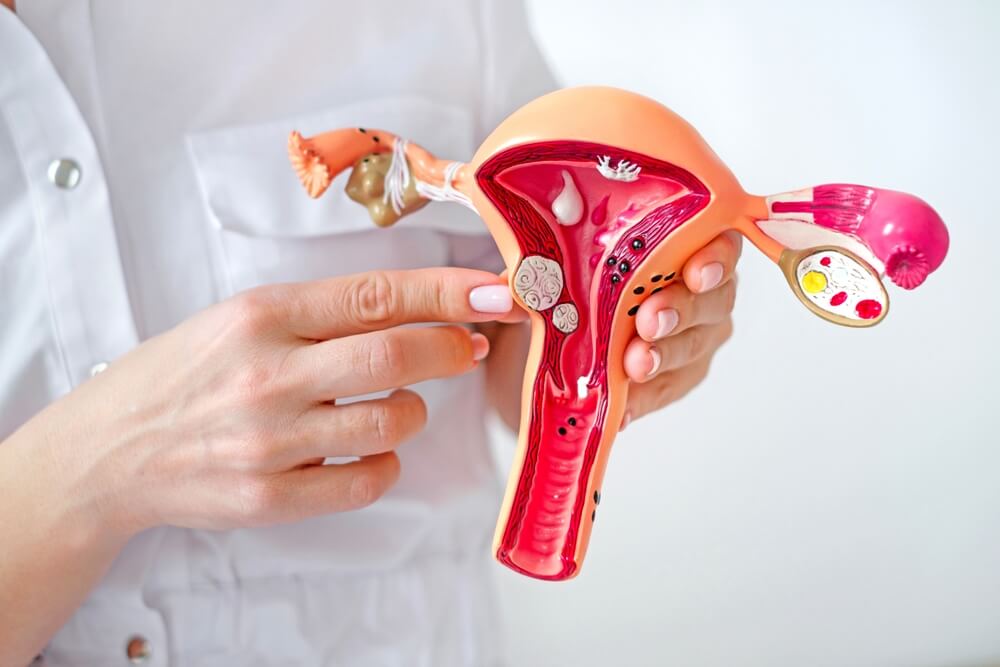
Uterine fibroids—also known as uterine leiomyomas or myomas—are non-cancerous tumors that grow in or on the uterus. They’re made of fibrous tissue and muscle cells, and they can vary greatly in size. Many women don’t even know they have them until they cause symptoms.
According to the Office on Women’s Health, about twenty to eighty percent of women develop uterine fibroids by age fifty. So it’s important to know about them and how they can affect your body.
Types of Uterine Fibroids
Not all fibroid locations or behaviors are the same. Knowing which type you have can help you understand your fibroid symptoms:
- Intramural fibroids: These grow within the muscular wall of the uterus and are the most common type. They can make the uterus feel larger than normal.
- Submucosal fibroids: These develop just under the lining of the uterine cavity and can cause heavy, abnormal uterine bleeding.
- Subserosal fibroids: These form on the outside of the uterus and can push against other pelvic organs, sometimes leading to pelvic pressure or frequent urination.
- Pedunculated fibroids: These hang from a stalk inside or outside the uterus. They can cause severe pain if the stalk becomes twisted, although this is relatively uncommon.
Uterine Fibroid Sizes
Uterine fibroids vary not only in where they grow but also in how big they get, and size plays a big role in your fibroid symptoms. However, it’s important to note that symptoms don’t always correlate directly with size—some small fibroids cause significant discomfort if located near the uterine lining. Here’s what you should know:
- Small fibroids (<2 centimeters): Similar in size to a pea, these usually cause mild or no symptoms but can lead to light spotting or mild cramps if near the uterine cavity.
- Medium fibroids (2-6 centimeters): These are about the size of a grape or lemon and can cause heavy menstrual bleeding, frequent urination, and pelvic pressure when they push on nearby organs.
- Large fibroids (>6 centimeters): Comparable to a grapefruit or bigger, these larger fibroids may stretch the uterus and cause a visibly swollen belly, intense pelvic pain, and heavier, longer periods.
Symptoms of Uterine Fibroids
Recognizing common symptoms of uterine fibroids can help you catch them early before they cause more problems. Here are the signs to look out for:
- Backache
- Constipation
- Menstrual bleeding lasting more than seven days
- Painful sex
- Heavy menstrual bleeding
- Pelvic pain or pressure
- Infertility
- Unexplained weight gain
- Loss of libido
- Leg pain
- Frequent urination
- Difficulties in emptying your bladder
In some women, fibroids may also lead to:
- Bleeding or spotting between periods
- Persistent pelvic pain
- Painful menstrual periods
- Very heavy menstrual bleeding
- Menstrual periods lasting longer than seven days
- Difficulties in emptying the bladder
If you experience these symptoms, be sure to visit your doctor as soon as possible.
Risk Factors, Contributing Elements, and Causes of Uterine Fibroids
Doctors still don’t know the exact cause of uterine fibroids, but evidence suggests they develop from a mix of hormone levels, genetics, and growth factors in the body. These tumors tend to appear during your reproductive age when estrogen and progesterone levels are higher.
While you can’t control every factor, knowing what might affect fibroid growth can help you take charge of your reproductive health. Here are some key risk factors to be aware of:
- Family history: If your mother, sister, or grandmother had uterine fibroids, you’re more likely to develop them too.
- Obesity: Being overweight can raise estrogen and progesterone levels, which may fuel fibroid growth.
- Early menstruation: Starting your menstrual cycle before age twelve slightly increases your risk of developing fibroids later on.
- Late menopause: A longer stretch of high hormone levels means uterine fibroids have more time to grow.
- Certain medical conditions: Diabetes, high blood pressure, and other health issues may increase fibroid risk.
- Ethnicity: The Black Women’s Health Study shows that black women are more likely to have fibroids, develop them at a younger age, and experience moderate or severe symptoms.
How to Manage Life with Fibroids
While you can’t always control risk factors for uterine fibroids, you can take simple steps to lower your risk and ease fibroid symptoms if they appear.
Uterine Fibroid Prevention and Management
Even if you already have fibroids, healthy habits can help lower your risk of developing fibroids or slow down fibroid growth. Here are some practical ways to stay ahead:
- Maintain a healthy weight to balance hormone levels and reduce extra estrogen and progesterone that fuels fibroids.
- Filling your plate with a balanced diet of fruits, vegetables, and foods rich in Vitamin D may help keep fibroids from growing quickly.
- Exercise regularly.
- Get regular pelvic exams.
- Discuss birth control pills with your doctor to see if they can help with your fibroid symptoms.
Uterine Fibroid Treatment
If you’re dealing with moderate or severe symptoms, there’s hope. Uterine fibroids don’t have to control your life. Modern uterine fibroid treatment options can help you manage fibroid symptoms without major surgery.
Medications
Sometimes, medication can be the first step to manage fibroid symptoms and control abnormal uterine bleeding before considering a procedure or surgery. These treatments don’t cure fibroids, but they can shrink or ease daily discomfort so your life is more manageable. Some options include:
- GnRH agonists
- Progestin-releasing intrauterine device (IUD)
- Nonsteroidal anti-inflammatory drugs
- Tranexamic acid
Procedures and Surgeries
When medications aren’t enough to handle moderate or severe symptoms, your doctor may recommend a procedure to target fibroid tumors directly. Thankfully, many options today are non-surgical, minimally invasive procedures that treat fibroids while protecting healthy tissue and helping you avoid a long recovery. These include:
- Uterine fibroid embolization (UFE): Also known as uterine artery embolization (UAE), this procedure involves a doctor guiding a tiny catheter through a pin-prick in your wrist or groin and releasing tiny particles to block the arteries feeding the fibroids. This causes them to shrink while keeping the uterus completely intact.
- MRgFUS (Magnetic Resonance-guided Focused Ultrasound): This method uses focused ultrasound waves to heat and destroy fibroids, but it’s still considered investigational by many insurance companies and works best for smaller fibroids.
- Radiofrequency Ablation (RFA/Acessa): Commonly referred to by the brand name Acessa, this technique heats fibrous tissue with radio waves to shrink it with minimal damage to surrounding areas. However, RFA is not appropriate for women with larger or multiple fibroids, as each fibroid must be individually targeted during the procedure. This makes treatment impractical when several fibroids are present. Uterine fibroid embolization may be a better option for patients with multiple fibroids, as it treats all fibroids simultaneously through the uterine artery in a single procedure.
Alternative Therapies
Some women try alternative therapies to manage fibroid symptoms alongside medical care, including:
- Acupuncture
- Herbal supplements
- Stress reduction
These may help ease pelvic pain and discomfort, but they don’t cure fibroids or shrink them. These approaches should be considered supportive rather than primary treatments. Always talk to your doctor before trying any new remedy to be sure it’s safe and won’t affect other treatments. Combining healthy habits with proven medical care is the best way to stay on top of your health.
Take Charge of Your Health with VIP Fibroid Center
You don’t have to live life with fibroid symptoms or the stress of not knowing why fibroids develop. Understanding the risk factors and causes of uterine fibroids and staying proactive about your reproductive health can make all the difference.
Whether you’re worried about fibroid growth or want to learn about safe, effective ways to treat them, you deserve care that puts you first. At VIP Fibroid Center, we help you tackle uterine fibroids and their symptoms with compassion, experience, and minimally invasive options like UFE to fit your life—not the other way around.
Contact us today to schedule your consultation and take the first step toward relief, clarity, and a life free from fibroid worries. We can’t wait to help you feel your best.