

Fibroid-Related Health Issues: Professional Treatment and Management Strategies

You shouldn’t have to live your life with heavy bleeding, pain, or fatigue. If you’ve been told you have uterine fibroids, or suspect you might, you’re not alone. These non-cancerous growths in or around the uterus affect 20-80% of women by the time they turn 50, and they can show up in many ways.
While it can feel overwhelming, the good news is that uterine fibroids are manageable and treatable with the right care. Knowing your options helps you make informed, confident decisions about your health.
A Quick Look at Uterine Fibroids
Uterine fibroids – also called uterine leiomyomas – are non-cancerous growths made up of muscle tissue and connective tissue that develop in or around the uterus. Women often develop fibroids during their reproductive age, when hormones like estrogen and progesterone are more active.
Fibroids tend to grow as these hormones rise and fall. Sometimes, developing uterine fibroids stay small and quiet. But other times they become large enough to distort the shape of your uterine wall or put pressure on nearby internal organs.
Most fibroids form inside the muscle wall of the uterus, though they can also push outward or grow into the uterine cavity. As they develop, they can interfere with your menstrual cycle, your comfort, and your overall quality of life through various symptoms.
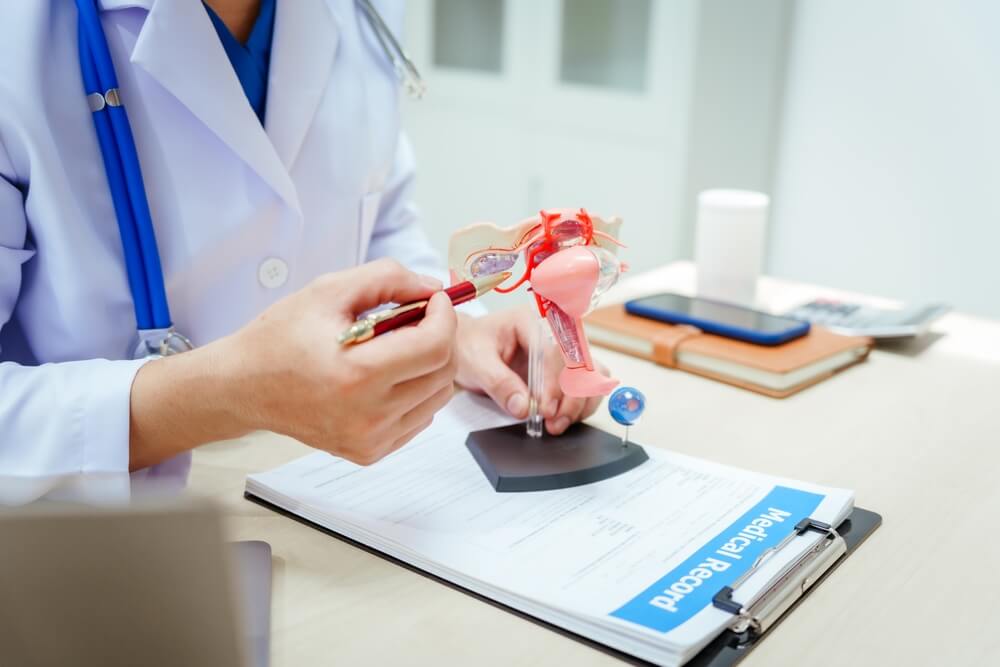
Uterine Fibroid Symptoms
Fibroids can feel like a mystery when you don’t know what’s causing your discomfort, but recognizing the symptoms of uterine fibroids can help you take that important first step toward answers. These symptoms can vary depending on the size, location, and number of fibroids, and they often develop gradually.
Here are some common signs and symptoms that can indicate your body may be telling you it’s time to get checked out:
- Heavy or prolonged menstrual bleeding (lasting longer than seven days)
- Persistent pelvic pain or pressure
- Frequent urination or difficulty emptying the bladder
- Constipation or ongoing bloating
- Back or leg pain that worsens during your cycle
- Painful sex
- Infertility or difficulty conceiving
- Loss of libido
- Unexplained weight gain in the lower abdomen
If any of these symptoms become severe or chronic, it’s time to visit your doctor to take a closer look at what might be going on beneath the surface. They’ll be able to diagnose you and start treatment early so you can avoid more severe health issues.
Uterine Fibroid Complications
Symptomatic uterine fibroids can start to affect your health in more serious ways when left untreated. They can grow large, press on organs, disrupt your hormones, and even affect fertility. While not every woman with fibroids will experience complications, understanding what can happen helps you stay ahead of any potential risk factors and know when to seek help.
Here are some common health issues linked to uterine fibroids:
- Heavy or abnormal uterine bleeding leading to anemia
- Chronic pelvic or back pain from large fibroids
Infertility caused by fibroids blocking the uterine cavity or fallopian tubes - Pregnancy complications such as placental abruption or restricted fetal growth
- Pressure on the bladder or bowel, causing urinary or digestive problems
- Pain from fibroid degeneration (when fibroids outgrow their blood supply)
- Rare acute issues such as urinary retention, endometrial carcinoma, or intraperitoneal hemorrhage
Understanding the complications of uterine fibroids early on gives you the chance to get an early diagnosis and treatment before symptoms become harder to manage.
Management Strategies for Fibroid-Related Health Issues
Living with fibroids doesn’t mean you have to suffer through the symptoms. There are effective ways to manage these issues so they don’t take over your life.
Some women find temporary relief with non-hormonal medications or hormone therapies like birth control pills, which may temporarily ease pain, regulate the menstrual cycle, and reduce heavy bleeding. However, these don’t address the root of the problem and may not be ideal long-term. When symptoms become harder to control or begin interfering with your daily life, it’s time to consider treatment options.
Uterine Fibroid Treatment Options
Choosing the right uterine fibroid treatment approach depends on your symptoms, goals, and how the fibroids are affecting your body. While some treatments offer temporary relief, others aim to remove fibroids or significantly reduce their impact. Other options are minimally invasive with no need for surgery, while some are invasive surgical procedures with long-lasting effects.
Each option has its benefits and limitations. Knowing what’s available to treat fibroids helps you make the most informed choice for your health. Let’s consider five common uterine fibroid treatment options you can undergo to find relief.
Uterine Fibroid Embolization
Uterine fibroid embolization (UFE) – also called uterine artery embolization (UAE) – is a safe and highly effective procedure that doesn’t require surgery or large incisions. A fibroid specialist inserts a thin catheter, usually through a tiny pinprick in the wrist, and guides it into the uterine arteries. From there, they release small particles that block blood flow to shrink fibroids while protecting healthy blood vessels. Thousands of women have gone on to have successful pregnancies following UFE, making it an important option for patients who still wish to conceive.
Most patients go home the same day, and recovery time is usually around seven to ten days. You may experience mild cramping, fatigue, or low-grade fever for the first few days. Most women notice symptom relief within weeks, with continued improvement over months. Compared to surgical options or other minimally invasive options, this outpatient procedure offers:
- Fast recovery
- Fewer risks than surgery
- Long-term relief from symptoms with low chances of recurrence
Magnetic Resonance-Guided Focused Ultrasound (MRgFUS)
MRgFUS is a non-invasive option that uses high-intensity ultrasound waves guided by MRI to heat and destroy fibroid tissue. It doesn’t require incision or anesthesia, but it’s generally limited to relatively small fibroids and is not recommended for multiple fibroid cases. Many insurance providers still consider MRgFUS investigational, so coverage may be limited. Untreated fibroids outside the treatment zone may continue to grow.
Radiofrequency Ablation (RFA)
RFA delivers targeted heat to fibroid tissue using a special probe inserted during laparoscopic surgery. The heat damages the tissues, causing the fibroids to shrink over time. While less invasive than traditional surgery, this procedure isn’t ideal for multiple fibroids, larger fibroids, or those deeply embedded in the muscle wall of the uterus.
Myomectomy
A myomectomy is a surgical procedure that removes fibroids while preserving the uterus. This makes it a possible option for women hoping to maintain fertility.
Depending on the size and location of the uterine fibroids, the surgery can be done through:
- Open surgery
- Laparoscopy
- Hysteroscopy
Recovery can be longer, and there’s a chance that fibroids grow back in the future.
Hysterectomy
A hysterectomy removes the uterus completely, which eliminates fibroids and any chance of recurrence. This major surgical intervention is often reserved for severe cases where other options haven’t worked or symptoms are causing significant problems.
While effective, this surgery comes with a longer recovery, permanent loss of fertility, and the emotional weight of a life-changing decision.
Reclaim Your Health with VIP Fibroid Center
Fibroids can feel overwhelming, but you don’t have to push through the discomfort, miss out on moments that matter, or settle for feeling off balance month after month. There are trusted, effective treatment options out there, and you deserve a team that listens, understands, and offers treatment that fits your life.
At VIP Fibroid Center, we offer personalized, minimally invasive care to help you take control of your health and feel like yourself again. From accurate diagnosis to effective procedures like uterine fibroid embolization, you’ll be met with compassion, clarity, and experienced care at every step.Are you ready to reclaim your health? Request your consultation today to start your journey toward relief, confidence, and a life no longer ruled by fibroids.