

Enlarged Womb vs. Fibroids: Key Differences Every Woman Should Know
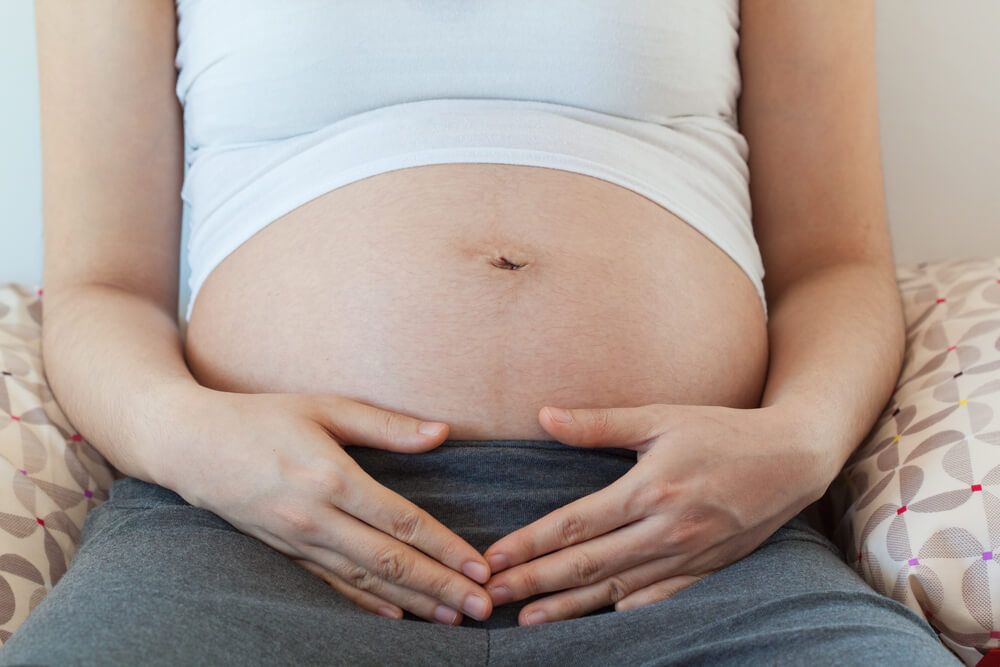
You might hear a doctor mention an enlarged womb and immediately worry about what that really means for your health, your symptoms, or your future plans for pregnancy. Maybe you notice your lower belly looks or feels fuller than it used to, or your periods suddenly feel heavier and more draining than before. It’s normal to feel confused, scared, or frustrated when your body changes and you are not sure why.
You may also wonder how this relates to uterine fibroids, especially if you have heard that fibroids can make the uterus grow larger. Do they always go hand in hand? Can you have one without the other? Most importantly, what does all of this mean for your comfort, your daily life, and your long-term health?
Understanding the answers to these questions will help you move forward with clarity and confidence.
What They Are
Enlarged Uterus
An enlarged uterus simply means the uterus has grown beyond its normal size. Your uterus is usually about the size of a small pear, but it can stretch or expand due to changes happening inside the organ itself.
An enlarged uterus is not a diagnosis on its own. You still need to understand what’s happening inside the uterus to know the underlying cause.
Uterine Fibroids
Uterine fibroids are noncancerous growths that develop in or on the uterus. They form when cells in the uterine wall begin to multiply and create firm, rubbery masses fed by the uterus’s blood supply.
Fibroids can grow inside the cavity, within the muscle, or on the outer surface near the fallopian tubes, and they vary in size from very small to quite large. Over time, one fibroid—or multiple fibroids—can stretch the uterus and lead to an enlarged uterus caused by these benign tumors.
What Causes Them
Enlarged Uterus
When you learn you have an enlarged uterus, one of your first questions is often why it happened. Understanding the causes of an enlarged uterus helps you know what to expect, what symptoms matter, and which steps to take with your healthcare provider.
These are the most common issues that cause an enlarged uterus and lead to changes in your body:
- Hormonal imbalances: Shifts in hormone levels can thicken the uterine lining and make the uterus grow.
- Adenomyosis: Cells from the lining grow into the muscle wall, causing the uterus to expand.
- Ovarian cysts: Larger ovarian cysts can push against the uterus and create the appearance of enlargement.
- Endometrial cancer: Abnormal cell growth in the lining can enlarge the uterus and cause vaginal bleeding.
- Uterine cancers: Different uterine conditions involving cancer can make the uterus increase in size.
- Endometrial hyperplasia: The lining becomes too thick due to hormonal imbalance, which can stretch the uterus.
Uterine Fibroids
Fibroids develop for reasons that are still not fully understood, but doctors know several key factors play a role. When these factors combine, they encourage fibroid cells to grow and create the noncancerous tumors that can eventually lead to uterine enlargement.
The main influences behind fibroid growth include:
- Hormonal therapy or hormonal imbalances: Estrogen and progesterone encourage fibroid tissue to grow inside the uterus.
- Genetics: If close family members have fibroids, you are more likely to develop them.
- Polycystic ovary syndrome: Conditions like polycystic ovary syndrome and polycystic ovarian syndrome (PCOS) can disrupt hormonal balance and contribute to fibroid growth.
- Race and ethnicity: Research from health and human services shows fibroids are more common in some groups, especially Black women.
- Obesity or metabolic changes: Weight gain and metabolic shifts can influence how the uterine lining and fibroid tissue respond to hormones.
Symptoms
Enlarged Uterus
When you have an enlarged uterus, you may notice changes that feel confusing at first. These shifts often show up in your daily routine long before you get a diagnosis. Paying attention to these enlarged uterus symptoms helps you and your healthcare provider understand what is happening inside your body and what the underlying cause may be.
Here are the most common symptoms of an enlarged uterus:
- Pelvic pain
- Heavy bleeding
- Vaginal bleeding
- Prolonged menstrual bleeding
- Menstrual cycle abnormalities
- Frequent urination
- Abdominal bloating
Uterine Fibroids
Symptoms from uterine fibroids depend on where they grow, how large they are, and whether you have multiple fibroids. These symptoms often overlap with an enlarged uterus, which is why women sometimes confuse the two conditions.
If you start to see any of the following, it may be time to ask your healthcare provider about imaging tests like magnetic resonance imaging or a pelvic exam to get clear answers:
- Heavy menstrual bleeding
- Painful periods
- Pelvic pain
- Heavy periods
- Vaginal bleeding
- Frequent urination
- Other symptoms such as pressure or fullness

Their Effects on Fertility
Enlarged Uterus
An enlarged uterus can sometimes affect fertility, depending on what is causing the enlargement and how much the uterus has changed from its normal size. Conditions that cause an enlarged uterus may interfere with the uterine lining, the shape of the cavity, or the pathway to the fallopian tubes.
These changes can make it harder for an embryo to implant or develop. They may also lead to pregnancy complications in severe cases.
Uterine Fibroids
Uterine fibroids may also affect fertility, but the impact depends on their size, number, and location. Fibroids that grow inside the cavity can distort the uterine lining, while those in the uterine wall can block the fallopian tubes or disrupt normal menstrual cycle patterns. Your symptoms may signal that they are interfering with the environment needed for implantation.
Not every woman with fibroids struggles to conceive—many go on to have healthy pregnancies. But some may face challenges if fibroids cause significant pressure or change how the uterus functions.
Treatment Options
Enlarged Uterus
When you learn you have an enlarged uterus, understanding your treatment options helps you feel more in control of your next steps. The right approach depends on the underlying cause, your symptoms, and your long-term goals for your reproductive health.
Your healthcare provider may recommend one or more of the following to ease symptoms, address vaginal bleeding, support your menstrual cycle, and reduce the size of the uterus when needed:
- Hormonal therapy
- Prescribe birth control pills
- Pain relievers
- Iron supplements
- Hormone replacement therapy
- Medical treatment
- Endometrial ablation
Uterine Fibroids
When uterine fibroids disrupt your comfort, your cycles, or your fertility goals, treatment focuses on shrinking the growths, easing symptoms, or removing their influence. The best approach depends on the size and location of the fibroids, whether you have multiple fibroids, and how much pressure they place on the uterus.
Your doctor may guide you through these options to help restore balance and comfort:
- Uterine fibroid embolization (UFE): Also commonly called uterine artery embolization (UAE), this popular minimally invasive procedure involves a doctor inserting a tiny catheter into an artery in the wrist, guiding it to the uterus, and injecting particles that block the fibroids’ blood supply, causing them to shrink.
- Endometrial ablation: A minimally invasive procedure that uses heat, cold, or energy to treat the uterine lining and reduce menstrual bleeding, though it does not remove fibroids and has limits when fibroids distort the cavity.
- Radiofrequency ablation: A minimally invasive procedure where heat energy is delivered directly into fibroid tissue through a thin probe, causing the fibroid to shrink over time while preserving the uterus. Though this treatment has limits and may not be appropriate for multiple or large uterine fibroids.
- MRgFUS (Magnetic Resonance-guided Focused Ultrasound): A noninvasive outpatient procedure that uses MRI imaging to target small areas within a fibroid and apply focused ultrasound waves to heat and destroy tissue, though it remains investigational for many insurance plans and is limited to small fibroids that are easily accessible.
- Hormonal therapies: Use medication such as gonadotropin-releasing hormone (GnRH) agonist pills, progestin-releasing IUDs, or injections to regulate hormones and lessen menstrual bleeding tied to fibroids.
- Nonhormonal medications: Use medications such as nonsteroidal anti-inflammatory drugs (NSAIDs) and tranexamic acid to alleviate pain and discomfort and reduce heavy menstrual bleeding.
- Myomectomy: A surgical procedure that removes fibroids individually from the uterus—performed through hysteroscopy, laparoscopy, or an abdominal incision—while preserving the uterus for future fertility.
- Hysterectomy: A surgical procedure that removes the uterus entirely, which permanently resolves fibroids and bleeding issues but also ends the ability to carry a pregnancy.
The Relationship Between the Two
While an enlarged uterus and uterine fibroids are closely connected, they are not the same condition. Fibroids are one of the most common issues that cause an enlarged uterus, especially when you have multiple fibroids or a single growth that becomes large over time. At the same time, not every enlarged uterus comes from fibroids.
This is why clear imaging tests are so important. Understanding the relationship between the two helps you get closer to the exact cause of your symptoms and gives your healthcare provider the information needed to guide an appropriate treatment plan.
Take Your Next Step Toward Answers at VIP Fibroid Center
You deserve clear answers about what your body is going through, especially when symptoms begin to affect your daily life. These conditions can feel overwhelming at first, but understanding how they differ, how they connect, and what they mean for your health gives you the power to move forward with confidence.
You never have to navigate these changes alone. Working with a team that listens, explains every option, and focuses on minimally invasive care can make a life-changing difference. VIP Fibroid Center offers advanced, compassionate care supported by decades of experience, clear communication, and a patient-first environment that feels more like a calming retreat than a clinic. You are welcomed, supported, and guided every step of the way, from diagnosis to recovery.We’re here to help you feel like yourself again. Contact us today to schedule your consultation with VIP Fibroid Center, and let us walk with you toward clarity, comfort, and lasting relief.