

Fibroid Diet: How Nutrition May Support Uterine Health Before and After UFE
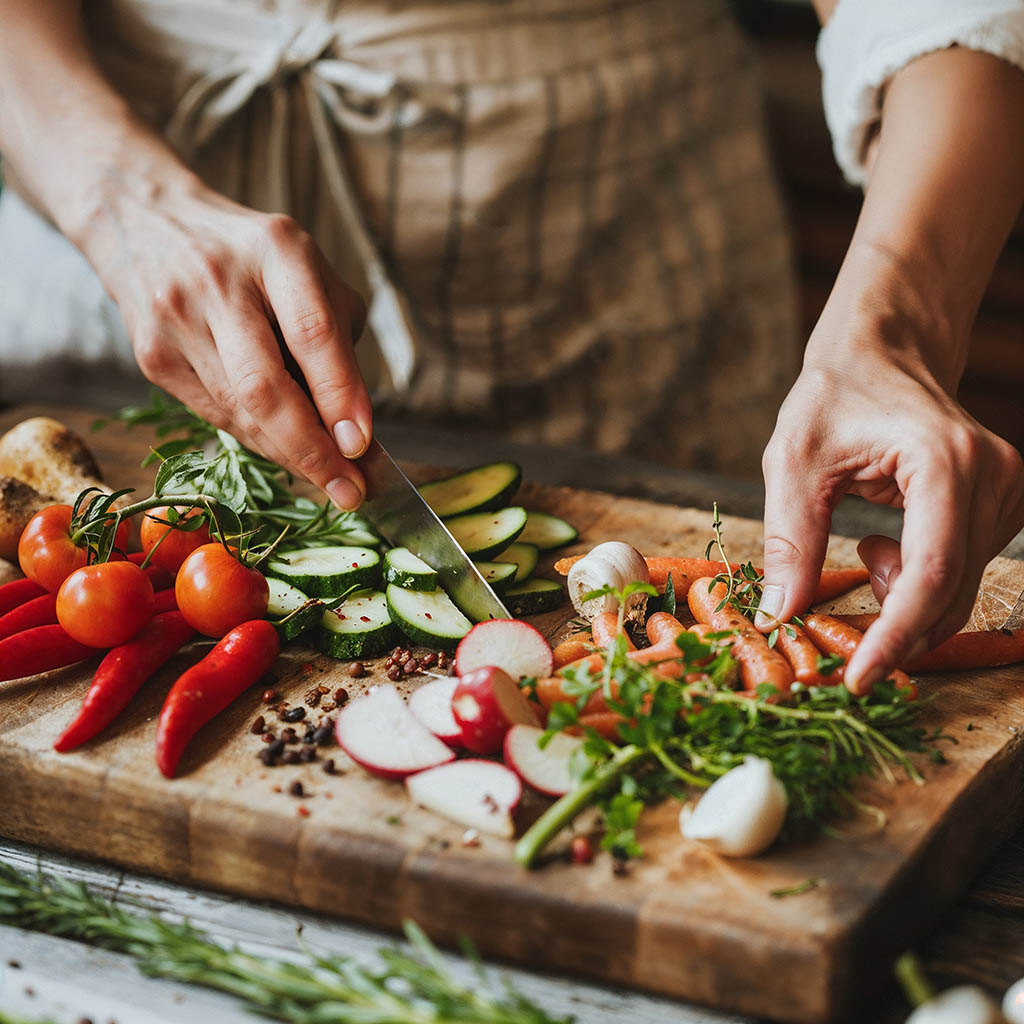
Living with fibroid symptoms like heavy menstrual bleeding, frequent urination, or pelvic pain can feel overwhelming at times. While uterine fibroid embolization (UFE) offers a minimally invasive way to treat fibroids, your daily choices—especially what you eat—can also make a meaningful difference. Following a fibroid diet may help you feel more in control of your health, both before and after your procedure.
While food isn’t a cure, it plays a powerful role in supporting your body. The nutrients you take in can influence hormone levels, inflammation, and even how your body recovers after treatment. The right foods can help you lower fibroid risk factors, while the wrong ones may fuel fibroid growth and make symptoms worse.
Knowing how nutrition connects to uterine fibroids, which everyday habits can support your healing, and which foods may help you find long-term balance will help you feel stronger, more informed, and ready to make decisions that protect your health moving forward.
Understanding Uterine Fibroids
Uterine fibroids are noncancerous growths that develop in the muscular wall of the uterus. These tumors (also called uterine myomas) form when smooth muscle cells begin to grow and multiply abnormally.
While they are not life-threatening, their size and number can change over time, influenced by factors like hormones and overall health. Fibroids can range from tiny nodules that go unnoticed to larger growths that affect the shape of the uterus. Because they are so common, many women will encounter them at some point in their lives.
Uterine Fibroid Signs and Symptoms
Every woman’s experience is different when it comes to fibroids. Some women hardly notice them, while others struggle with daily discomfort that affects their quality of life.
Recognizing the most common fibroid symptoms can help you better understand what your body is telling you and decide when it may be time to seek care. Some of the signs you may notice include:
- Heavy menstrual bleeding that can interfere with daily life
- Menstrual bleeding lasting longer than 7 days
- Frequent urination or feeling pressure on the bladder
- Difficulties in emptying the bladder fully
- Pelvic pain or pressure that may worsen during your cycle
- Painful sex or discomfort during intimacy
- Constipation or pressure on the bowel
- Unexplained weight gain not tied to diet or exercise
- Backache or discomfort in the lower spine
- Leg pain from pressure on nearby nerves
- Infertility or challenges in becoming pregnant
- Loss of libido that impacts your relationship and well-being
Contributing Lifestyle Factors
While genetics and hormones play a central role in fibroid development, lifestyle factors also influence your chances of developing fibroids and the severity of fibroid symptoms. Being aware of these can help you make choices that support your overall health and may lower fibroid risk. They include:
- Early puberty
- Excess weight
- Physical activity
- Blood pressure
- Fetal development
- Soy intake
- Alcohol consumption
- Endocrine-disrupting chemicals
Among these, diet is one of the most impactful factors because it directly affects hormone levels, estrogen metabolism, and inflammation. Choosing healthy foods while avoiding the worst foods can help you reduce inflammation, support balancing hormones, and ultimately protect your general health.

Uterine Fibroid Embolization (UFE) for Uterine Fibroid Treatment
One of the most effective fibroid treatment options available today is uterine fibroid embolization (UFE). This minimally invasive procedure works by blocking the blood supply to the fibroids, which causes them to shrink over time.
Using advanced imaging, a physician guides a thin catheter through a small pin prick in the wrist or groin and delivers tiny particles to the uterine arteries. Without a steady blood flow, fibroids shrink, bringing significant symptom relief for issues like heavy bleeding, frequent urination, and pelvic pressure.
Nutrition plays an important role before and after UFE. While food alone cannot eliminate fibroids, a supportive diet can help you manage recovery and strengthen your body’s natural healing process.
Supporting Uterine Health Before and After UFE
Food is more than fuel—it directly affects how your body functions and heals. When it comes to uterine fibroid embolization, the foods you choose can influence hormone balance, energy levels, and recovery. In short, what you eat can either support or work against your body as it heals and adjusts after UFE.
A thoughtful approach to nutrition may help you avoid triggers that could boost fibroid growth while giving your body the nutrients it needs to repair and strengthen. Focusing on what goes on your plate gives you another tool to support your uterine health.
Nutrition Before UFE
What you eat leading up to uterine fibroid embolization can help prepare your body for the procedure. A balanced diet reduces inflammation, supports hormone balance, and strengthens your immune system so you’re ready for recovery.
Because certain foods can boost fibroid growth, focusing on nutrient-rich choices before treatment may help slow fibroid growth and reduce your overall symptom burden. The goal is to build resilience and stability in your body so the procedure and healing process feel smoother.
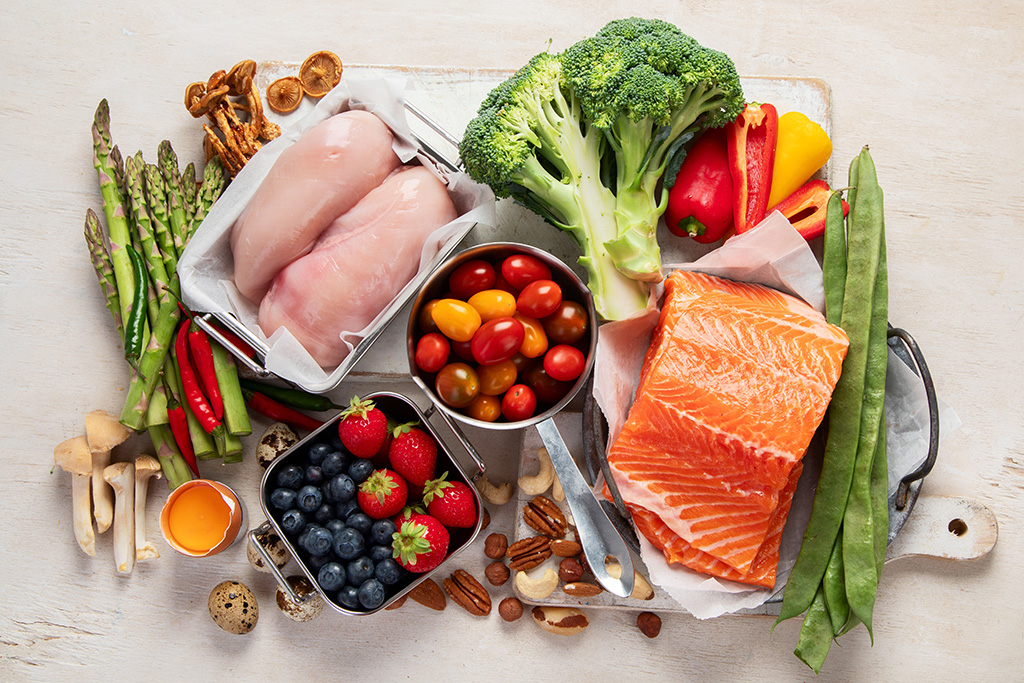
Here are some foods for fibroids that can support your health before UFE:
- Cruciferous vegetables (like broccoli and kale): help support healthy estrogen metabolism
- Iron-rich foods (like spinach and lentils): replenish iron lost from heavy menstrual bleeding
- Green tea: contains antioxidants that help with healing
- Healthy fats (like olive oil and avocados): support balancing hormones and reduce inflammation
- Fortified milk: helps raise vitamin D levels, which may reduce fibroid risk
Nutrition After UFE
Once your procedure is complete, nutrition becomes just as important for healing and recovery. A healthy diet after UFE can help reduce inflammation, promote tissue repair, and stabilize hormone levels so your body adjusts more easily.
Choosing fibroid-friendly foods also supports your energy, helps you maintain a healthy weight, and may lower the chance of new fibroids forming in the future. Your food choices can directly impact how quickly you feel relief from fibroid symptoms.
Some fibroid diet essentials to support your recovery can be:
- Whole foods (like fresh fruits and vegetables): provide antioxidants that help reduce inflammation
- Omega-3 fatty acids (found in salmon, walnuts, flaxseeds): support healing and hormonal balance
- Vitamin D sources (like fortified cereals or fortified milk): help prevent vitamin D deficiency
- Iron-rich foods (like lean poultry and beans): restore strength if you’ve had heavy bleeding
- Green tea: continues to support your body’s natural process of shrinking fibroids and easing recovery
Foods to Avoid Before & After UFE
Just as certain foods can support your body, others can work against your progress. Eating the wrong foods before or after uterine fibroid embolization may trigger inflammation, disrupt hormone levels, or even make fibroids worse over time. By being mindful of your choices, you can protect your recovery and lower the chances of feeding tumor growth or causing more discomfort.
Here are some of the worst foods to avoid before and after UFE:
- Processed foods (like packaged snacks and fast food): often contain additives that disrupt hormonal balance
- Red meat: linked to a higher risk of developing fibroids and worsening inflammation
- Fatty meats (like bacon and sausage): high in saturated fats that interfere with hormone balance
- High-fat dairy products and full-fat dairy products: may raise excess estrogen levels in the body
- Refined carbs (like white bread and pastries): spike blood sugar, raising the dietary glycemic index and fueling fibroid growth
- Alcohol consumption: can increase blood pressure and affect overall health
- Certain foods with added hormones (like some non-organic meats): may contribute to hormonal imbalances and excess weight
It’s also important to remember that everyone’s body responds differently. Always talk to your healthcare provider before making major changes to your diet. They can guide you based on your unique needs, review any underlying conditions, and make sure your nutrition choices are safe and supportive for your recovery.
Healing Beyond Diet: Partner with VIP Fibroid Center to Start Your Journey Toward Relief
Finding the right foods can make a difference, but nutrition alone isn’t always enough to bring lasting relief. A fibroid diet helps you strengthen your body, balance hormones, and prepare for recovery. But pairing these efforts with advanced treatment gives you the best chance at long-term wellness. By understanding what supports your health and what may hold you back, you’ve already taken the first step toward change.
At VIP Fibroid Center, we’re here to guide you through that next step. With minimally invasive treatment options like uterine fibroid embolization, decades of physician experience, and a compassionate approach to care, you can feel confident that your needs will be heard and supported. We’ll walk with you every step of the way, from understanding your symptoms to helping you heal.Ready to feel better? Request your consultation today at VIP Fibroid Center to learn how we can help you find relief, restore balance, and reclaim your quality of life.