

Focused Ultrasound Fibroid Treatment: Types and How It Works
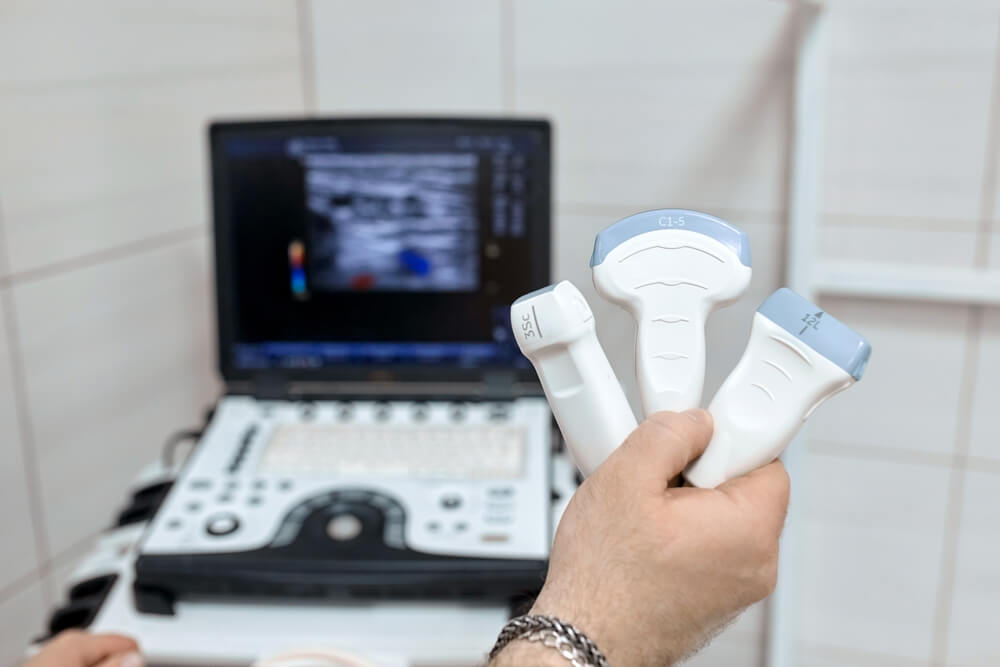
You’re not alone if you’ve been struggling with a uterine fibroid diagnosis and the frustrating symptoms that come with it. These noncancerous growths can take a serious toll on your quality of life, causing everything from intense menstrual bleeding to chronic pelvic pain and even pressure on your bladder or bowels.
You may have been told that surgery is your only option, but that’s not the case. Today, several minimally invasive treatments can effectively address uterine fibroids without requiring major incisions, long hospital stays, or extended recovery periods.
One of the most promising approaches is focused ultrasound fibroid treatment. If you’re searching for an effective way to treat uterine fibroids while avoiding surgery, this guide will walk you through everything you need to know. We’ll explain how guided focused ultrasound works, what types are available, and whether it’s the right uterine fibroid treatment for you.
Introduction to Focused Ultrasound Fibroid Treatment
Focused ultrasound fibroid treatment is an exciting option for many women looking to relieve uterine fibroid-related symptoms without undergoing minimally invasive surgery or more aggressive treatments like an abdominal myomectomy.
But what is guided focused ultrasound, and does it actually work? Let’s break it down.
What is Focused Ultrasound?
Focused ultrasound is a non-invasive procedure that uses high-intensity sound waves to precisely target and heat uterine fibroid tissue, causing it to shrink over time. Unlike procedures like uterine fibroid embolization (UFE), which blocks the blood supply to fibroids, focused ultrasound treatment directly destroys fibroid tissue—without incisions or the need for a blood transfusion.
The treatment uses magnetic resonance imaging (MRI) to ensure accuracy, allowing doctors to target the fibroid’s exact location while protecting healthy tissue. Since it doesn’t require cutting or suturing, focused ultrasound treatment has a much shorter recovery time compared to surgical options like abdominal myomectomy.
How Focused Ultrasound Works for Fibroid Treatment
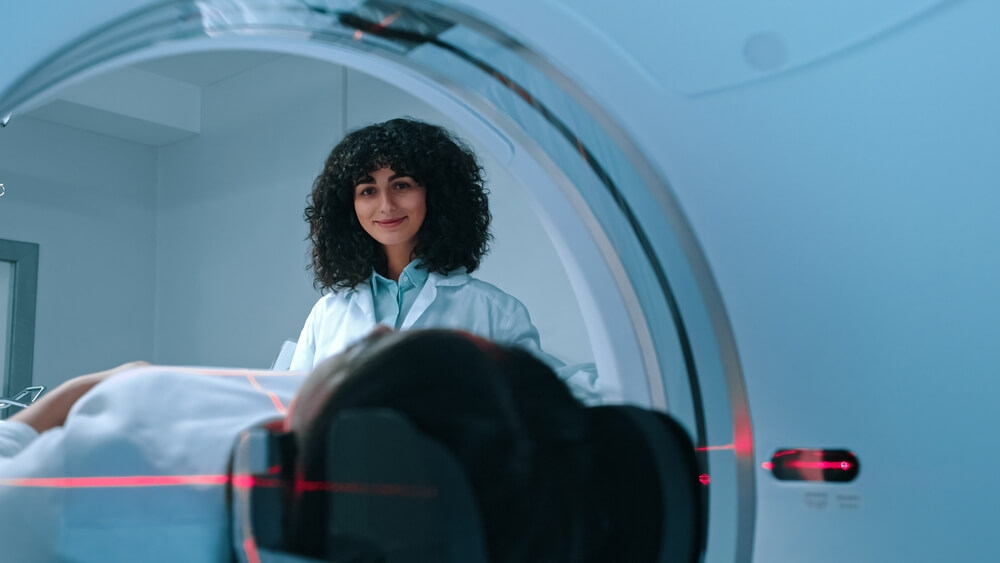
During focused ultrasound fibroid treatment, the patient lies inside an MRI scanner that provides real-time imaging to help guide the procedure. The doctor directs ultrasound waves through the abdominal wall and focuses them on the uterine fibroids. These sound waves generate heat, raising the temperature of the targeted tissue until it’s hot enough to break down fibroid tissue.
Over the next few months, the body naturally absorbs and eliminates the treated fibroid. This can help alleviate fibroid symptoms such as:
- Heavy menstrual bleeding
- Pelvic pain and discomfort
- Frequent urination due to bladder pressure
Since there are no incisions, the risk of complications—such as infection or blood clots—is significantly lower than with surgery. However, this procedure is most effective for select fibroid types. Large fibroids or multiple growths may require alternative treatments, such as uterine fibroid embolization (UFE).
Types of Focused Ultrasound Treatments
Not all focused ultrasound treatments are the same. While both methods use high-energy ultrasound waves to destroy uterine fibroids, they differ in technology, precision, and eligibility criteria. Depending on factors like fibroid size, location, and your overall reproductive health, one option may be more suitable for you than the other.
HiFU (High-intensity Focused Ultrasound)
High-intensity Focused Ultrasound (HiFu) is a non-invasive procedure that uses ultrasound waves to generate heat and destroy uterine fibroids without surgery. Unlike other minimally invasive procedures, HiFU directs focused ultrasound energy at the fibroid tissue. It heats it to a temperature that causes coagulative necrosis, meaning the fibroid cells break down and are gradually reabsorbed by the body.
One of HiFU’s biggest advantages is its non-invasive nature. There are no incisions, no chance of a blood transfusion, and a significantly shorter recovery time compared to surgical treatment options.
However, it does have its limitations—it’s not always suitable for very large fibroids or submucosa fibroids, and its long-term recurrence rate is still being studied. Additionally, factors like the location of uterine fibroids present can affect the precision of HiFu. So it’s less effective for deeply embedded or multiple fibroids.
MRgFUS (Magnetic Resonance-Guided Focused Ultrasound Surgery)
Magnetic Resonance-Guided Focused Ultrasound Surgery (MRgFUS) is another advanced non-invasive treatment that uses MRI-guided ultrasound energy to destroy fibroids with high precision. Unlike HiFU, MRgFUS uses real-time MRI imaging to precisely locate and target fibroid tissue, minimizing the risk of damaging surrounding healthy uterine tissue.
Key benefits of MRgFUS:
- Highly accurate targeting of fibroids
- Preserves the uterine cavity
- Minimizes recovery time compared to surgery
However, it’s important to note that many insurance providers still classify MRgFUS as investigational. This means coverage may be limited, making access to the treatment more challenging. Additionally, MRgFUS is most effective for smaller fibroids and is not ideal for women with large or multiple fibroids. In these cases, uterine fibroid embolization (UFE) or myomectomy may be better alternatives.
For the right candidates, MRgFUS offers a non-invasive way to treat fibroids while preserving fertility and avoiding major surgery.
Say Goodbye to Fibroid Symptoms with VIP Fibroid Center
Living with uterine fibroids can disrupt your daily life, but you don’t have to suffer in silence. If you’re searching for a minimally invasive treatment option, focused ultrasound fibroid treatment may be an excellent choice.
At VIP Fibroid Center, we understand how fibroid symptoms impact your health, comfort, and quality of life. Our expert physicians specialize in non-surgical fibroid treatments, including uterine fibroid embolization (UFE), and are dedicated to helping you find the best solution for your needs.
Request your consultation today to explore whether focused ultrasound treatment is today to explore whether focused ultrasound treatment is right for you and take the first step toward lasting relief.