

Herbal Remedies for Fibroids: What Science Actually Says
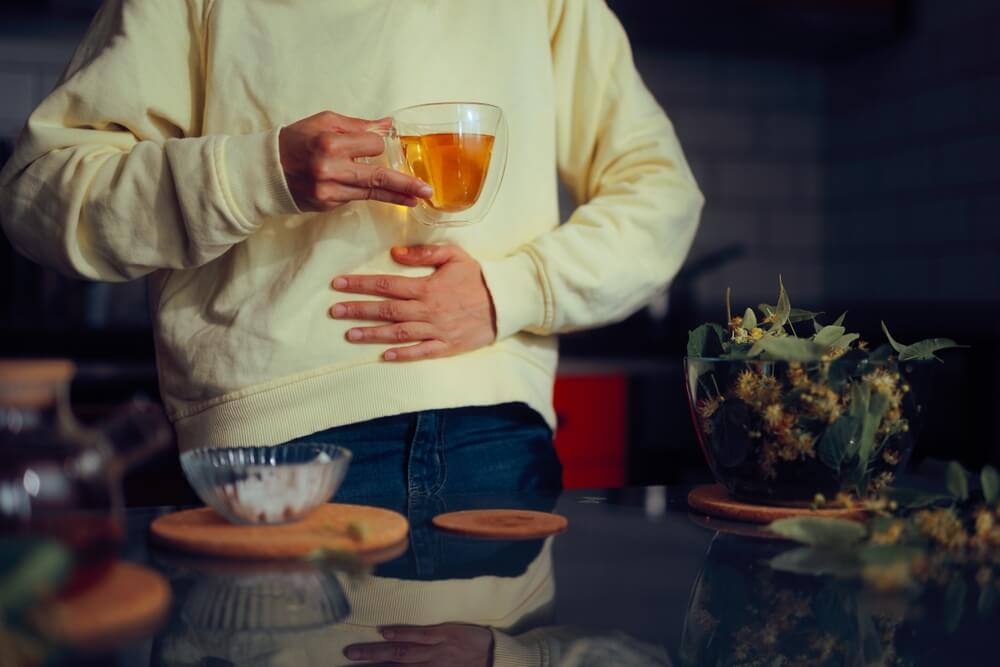
You’ve likely seen posts about herbal remedies for fibroids and wondered what’s real, what’s hype, and what could actually help you feel better. You deserve clear answers. You also deserve options that respect your goals for your body and future fertility.
Understanding how diet, lifestyle, and evidence-based care work together can help you support your uterus, ease fibroid symptoms, and make informed choices about uterine fibroids at every step – before and after treatment.
With a clear, science-grounded take on herbs and nutrition that can support uterine health, reduce everyday flare-ups, and complement your medical care, you can work with your doctor to decide what belongs in your plan and what doesn’t.
Understanding Uterine Fibroids
Uterine fibroids are noncancerous growths that form in or around the uterus, made up of the same muscle tissue found in the uterine wall. They develop when uterine fibroid cells begin to grow abnormally, often influenced by hormone levels, particularly estrogen and progesterone. These hormones stimulate the uterine lining during each menstrual cycle, and when their balance shifts, it can promote fibroid growth.
While the exact cause remains unclear, researchers believe that hormonal imbalances, genetics, and lifestyle factors may all play a role in developing uterine fibroids. Some women may only have one, while others develop several fibroid tumors of different sizes, each growing at its own pace.
Symptoms and Risks
You might not notice fibroid symptoms right away. In fact, many women don’t until the growths start affecting nearby organs or their hormone balance. Paying attention to early signs can help you manage fibroid symptoms and seek treatment before they become disruptive.
Here are some of the common symptoms you might experience:
- Heavy menstrual bleeding or prolonged periods
- Pelvic pain or pressure
- Painful periods
- Bloating or fullness in the lower abdomen
- Frequent urination or difficulty emptying your bladder
- Constipation
- Lower back or leg pain
- Discomfort during intimacy
The symptoms associated with uterine fibroids depend largely on their size, number, and location. Not every case leads to complications. Many women live symptom-free with small fibroids that don’t impact their overall health or quality of life.
On the other hand, larger fibroid tumors can press against the bladder or bowel. Even smaller fibroids can induce heavy bleeding. Left untreated, fibroids can contribute to anemia from heavy or painful periods and may worsen over time due to changing hormone levels.
When to Talk to a Doctor
It’s important to talk with a doctor or fibroid specialist if your fibroid-related symptoms start affecting your daily life – like fatigue from blood loss, persistent pelvic pain, or changes in your menstrual flow. A specialist can assess your fibroid growth, discuss safe ways to treat uterine fibroids, and help you decide if medical treatments such as uterine fibroid embolization might be right for you. Early conversations can make all the difference in protecting your uterine health and preventing more severe symptoms from developing.
Herbal Remedies for Fibroids: What Science Says
Many women explore herbal remedies for fibroids, hoping to find gentle, natural ways to support healing. Over the years, researchers have examined how specific herbal medicines and herbal supplements might influence fibroid growth and hormone balance.
Some studies, including a few randomized controlled trials, have shown promise. Certain herbs appear to help limit fibroid growth, reduce symptoms, or even help shrink fibroids. Others highlight the need for stronger evidence and standardized testing.
In short, science is catching up with what many women have long suspected: some herbs may genuinely support uterine health, but they’re best used alongside safe, evidence-based care.
Green Tea Extract
Among the most studied herbal supplements for uterine fibroids, green tea has shown particularly exciting results. Its active compound, EGCG (epigallocatechin gallate), has been linked to reduced fibroid growth and improved quality of life in women with symptomatic fibroids.
In a small human trial, women taking 800 mg of green tea extract daily saw a 32% reduction in fibroid size and significant improvements in bleeding, anemia, and energy levels, all without serious side effects. Researchers believe green tea works by targeting oxidative stress and inhibiting pathways that fuel fibroid tumors. While the findings are early, they suggest that regular consumption of green tea or a moderate supplement may help support uterine health and limit fibroid growth.
Herbal Chinese Medicine
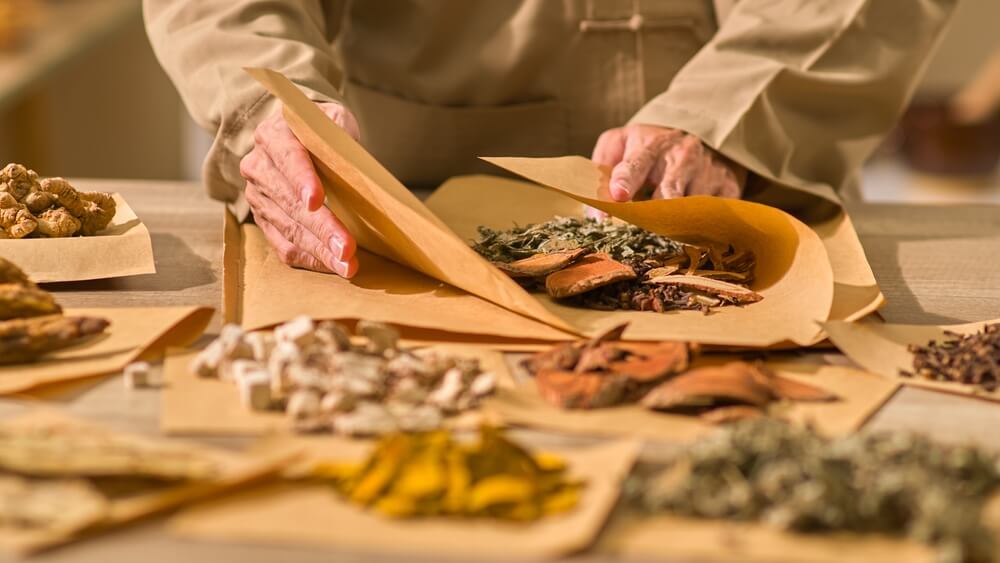
Chinese medicine has been used for centuries to address fibroid-related symptoms by restoring internal balance and improving circulation to the uterus. An analysis of randomised controlled trials shows that some traditional formulas, such as Guizhi Fuling Tang and extracts of Tripterygium wilfordii, have been associated with reduced fibroid volume and uterine size, particularly when combined with standard medical treatments like mifepristone.More recently, a systematic review of randomized clinical trials in Frontiers in Oncology shows that combining acupuncture with Chinese herbs has been shown to improve symptom relief and quality of life more than herbs alone. However, researchers caution that stronger trials are needed. These therapies may help manage fibroid symptoms by reducing inflammation, supporting hormonal balance, and improving blood supply to the uterus, but they should always be used under professional supervision due to potential side effects.
Curcumin (Turmeric)
Curcumin, the active ingredient in turmeric, has gained attention for its ability to influence cell growth and inflammation. Laboratory and animal studies suggest curcumin can slow the activity of certain pathways that promote fibroid growth, while encouraging the natural breakdown of abnormal cells.
Though human data are still limited, these findings point to curcumin as a potential supportive tool for managing uterine fibroids—especially when combined with a balanced diet and other natural remedies that promote hormone balance. This golden spice’s anti-inflammatory properties may also help ease pelvic pain or cramping associated with fibroid-related symptoms.
Vitamin D and Plant-Based Compounds
Vitamin D deficiency has been consistently linked with a higher fibroid risk and larger fibroid tumors. Studies suggest that maintaining adequate vitamin D levels may help limit fibroid growth and support uterine health in some women. Vitamin D works by influencing genes that regulate uterine fibroid cell activity and hormonal balance.
Flavonoids such as quercetin and indole-3-carbinol (found in cruciferous vegetables) have also shown early potential for supporting overall hormone balance and reducing inflammation. Combined with healthy fats and nutrient-rich foods, these compounds may enhance uterine health and reduce fibroid risk over time.
Other Remedies
While not all herbal remedies have been proven to directly treat fibroids, these studies show that some may still promote overall health and address contributing factors like inflammation, chronic stress, or hormonal imbalances. These can support your body’s natural healing environment and make managing symptoms easier over time.
These include:
- Milk thistle: May support liver function and help regulate hormone levels, aiding detoxification and overall hormone balance.
- Chamomile and ginger: Known for their soothing, anti-inflammatory effects that may help support comfort and relaxation during the menstrual cycle.
- Mind-body practices: Techniques such as progressive muscle relaxation and deep breathing may improve stress management, helping to stabilize hormone levels and reduce fibroid-related flare-ups.
- Acupuncture: Though evidence for fibroid shrinkage is limited, it may help promote relaxation and improve well-being related to menstrual cycles and hormonal changes.
- Dietary and lifestyle changes: Reducing processed foods, supporting balanced vaginal pH, and incorporating healthy fats can improve overall vaginal and reproductive health.
Even though these approaches aren’t substitutes for medical treatment, combining them with expert guidance can help you manage fibroid symptoms, promote vaginal health, and strengthen your body’s resilience. Always consult your doctor before adding any herbal remedy or supplement to your routine – especially if you’re preparing for or recovering from uterine fibroid embolization (also called uterine artery embolization).
Minimally Invasive Treatment for Fibroids
In addition to lifestyle changes and herbal remedies aren’t enough, uterine fibroid embolization (UFE) offers a safe, minimally invasive option to treat uterine fibroids effectively. During this procedure, a specialist gently inserts a small catheter into an artery in the wrist or groin and uses real-time imaging to guide it to the uterus.
Tiny particles are then released to block the blood supply feeding the fibroid tumors, causing them to shrink naturally over time. Because UFE targets the source of fibroid growth, it helps improve comfort and restore uterine health without removing the uterus.
Most women notice significant improvement in fibroid-related symptoms within the first few weeks, with continued shrinkage of fibroids over the next six months. Studies show that nearly 90% of women experience lasting symptom relief and improved quality of life after the procedure.
Best of all, UFE requires only a small incision and no general anesthesia. That means you can go home the same day and return to normal activities quickly. It’s one of the most effective, long-term medical treatments available for managing uterine fibroids while preserving uterine health and fertility potential.
From Herbal Support to Advanced Care—Find Your Balance with VIP Fibroid Center
Your journey to better uterine health doesn’t have to feel confusing or overwhelming. Understanding your body, exploring natural remedies, and knowing when to seek expert care are all part of taking back control from uterine fibroids. From mindful nutrition to uterine fibroid embolization, there are safe, effective options to help you feel like yourself again—without invasive surgery or long recovery times.
At VIP Fibroid Center, we combine compassionate care with advanced, minimally invasive treatments to help you manage fibroid symptoms and get lasting relief. Our team of highly trained specialists will guide you every step of the way and help you create a personalized plan that aligns with your health goals and lifestyle.
Contact us today to schedule your consultation and discover how we can help you find natural, lasting relief from fibroids so you can move forward with confidence and comfort.