

Uterine Fibroids and Pregnancy: Risks, Complications, and UFE Considerations
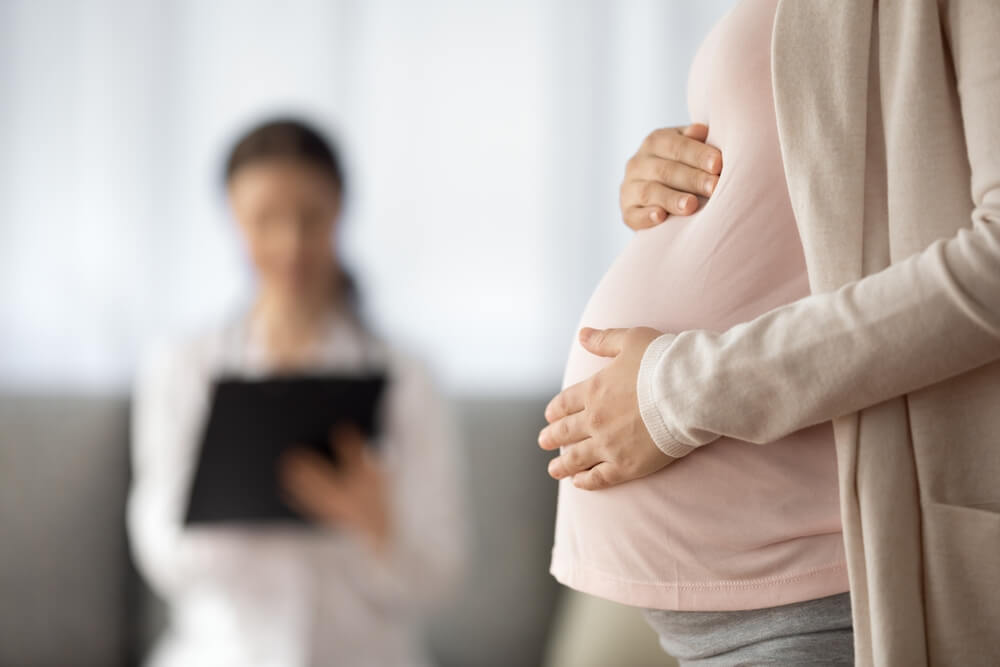
If you’re navigating uterine fibroids and pregnancy, you probably have more questions than answers—and that’s completely normal. You may be wondering how these growths might affect your fertility, the health of your baby, or your delivery options. While fibroids are a common concern for many women of reproductive age, understanding their potential impact can help you feel more informed and in control.
This guide is here to break down the facts, risks, and treatment options for uterine fibroids when you’re pregnant. We’ll explore how fibroids can affect your journey from conception through delivery, discuss procedures like uterine fibroid embolization, and share what research says about pregnancy outcomes afterward.
The Impact of Fibroids on Fertility and Pregnancy
Fibroids are noncancerous growths in the uterus that can vary in size, number, and location. While some small fibroids have little effect, large fibroids or a submucosal fibroid—which grows into the uterine cavity—can interfere with conception and implantation. They can change the shape of the uterine wall, reduce space for the developing embryo, or block the fallopian tubes.
Medical research shows that multiple fibroids or those close to the uterine lining can increase the risk of infertility or early pregnancy complications. In some cases, fibroid growth during pregnancy is influenced by increased estrogen and progesterone, potentially affecting pregnancy outcomes.
While many women with fibroids still achieve healthy pregnancies, knowing the size, number, and location of your fibroids through an ultrasound or physical exam is key to planning the safest path forward.
Risks and Complications of Fibroids During Pregnancy
Fibroids during pregnancy can lead to a variety of complications. Common issues include:
- Pain
- Bleeding
- Miscarriage
- Preterm labor
Certain complications, such as placenta previa or placental abruption, happen more often in pregnant women with fibroids—especially when the fibroids are large or located behind the placenta (retroplacental fibroids). These conditions can cause heavy bleeding and threaten the pregnancy.
Other adverse outcomes include fetal growth restriction, fetal malpresentation, or uterine rupture in rare cases. Fibroids can also increase the chance of premature rupture of membranes and the need for a cesarean delivery during labor and delivery.
In later stages, especially the third trimester, fibroids may obstruct the birth canal, making vaginal delivery unsafe. Understanding these possibilities allows you and your provider to prepare and monitor closely.
Management of Fibroids in Pregnant Women
Managing fibroids in pregnant patients is often about balancing safety for both mother and baby. While some women experience no symptoms, others may have severe pain from red degeneration, where blood supply to a fibroid is cut off as the uterus expands. This is most common in the second trimester and can be treated with rest, hydration, and carefully monitored medications like nonsteroidal anti-inflammatory drugs or other anti-inflammatory drugs when appropriate.
Because fibroid growth can occur at any trimester, your care team may recommend more frequent ultrasound scans to monitor changes. While surgical procedures like laparoscopic myomectomy are generally avoided during early pregnancy and beyond due to increased risk, close observation and symptom management are often effective until delivery. Your provider’s goal is to prevent adverse outcomes and ensure you carry safely to term whenever possible.
UFE and Pregnancy: Safety and Considerations
Uterine fibroid embolization (UFE) is a minimally invasive procedure performed by interventional radiologists to block blood flow to fibroids so they shrink. It avoids removing fibroids through large incisions and can be an option for women looking to preserve their uterus before a future pregnancy.
During the procedure, the vein specialist inserts a small catheter into a small incision—usually through the wrist—and injects tiny particles into the arteries feeding the fibroids. The fibroids shrink without blood flow, relieving the symptoms without the need for major surgery. Typically, UFE is recommended before conception rather than during pregnancy, as it allows time for fibroids to shrink and the uterus to heal.
UFE can be an alternative to surgery for women of reproductive age, especially if they have multiple fibroids or a history of fibroids. Fertility rates after UFE reach almost 40%, so most women go on to conceive afterward.
Your doctor will discuss timing, as the uterine wall needs to recover to reduce risk in a subsequent pregnancy. Knowing how growth occurs and the healing process works helps you make an informed choice before trying to conceive.
Pregnancy Outcomes After UFE
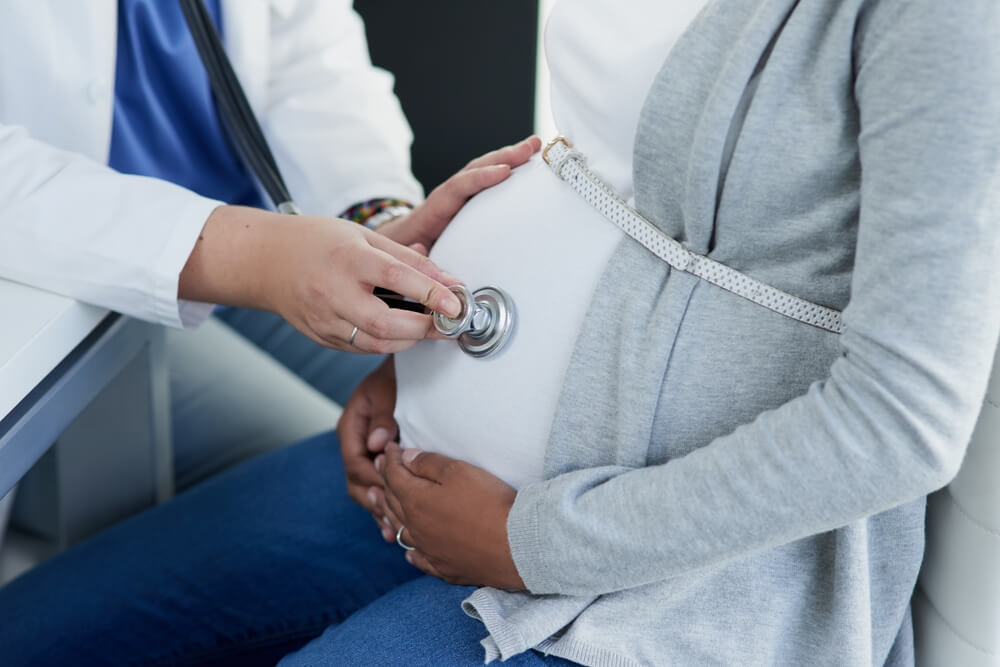
Studies show that most patients who undergo UFE before pregnancy can still have healthy pregnancies, though there may be a slightly increased risk of placenta previa, preterm birth, or other adverse pregnancy outcomes. Careful monitoring during pregnancy is important, and your provider will likely schedule more frequent ultrasound exams to assess the placenta, baby’s position, and the uterus as it stretches.
Compared to other options, UFE offers shorter recovery times and avoids large incisions, but it’s not always the right choice for everyone. A thorough physical exam and discussion of your fertility goals can help determine the safest path. Whether you deliver vaginally or via cesarean delivery, your provider’s goal is to ensure the birth canal is unobstructed and that you and your baby avoid unnecessary complications during labor.
Living with fibroids while planning a pregnancy can be overwhelming, but you don’t have to navigate it alone. With the right guidance, many women with fibroids go on to have successful pregnancies and healthy babies.
We at VIP Fibroid Center specialize in advanced, minimally invasive solutions to help you protect your health and your pregnancy goals. Our team will walk you through every step—from diagnosis to treatment—so you can feel confident in your decisions. Contact us to start your journey with VIP Fibroid Center.