

Fibroid Tumors: Symptoms, Causes & Non-Surgical Treatment
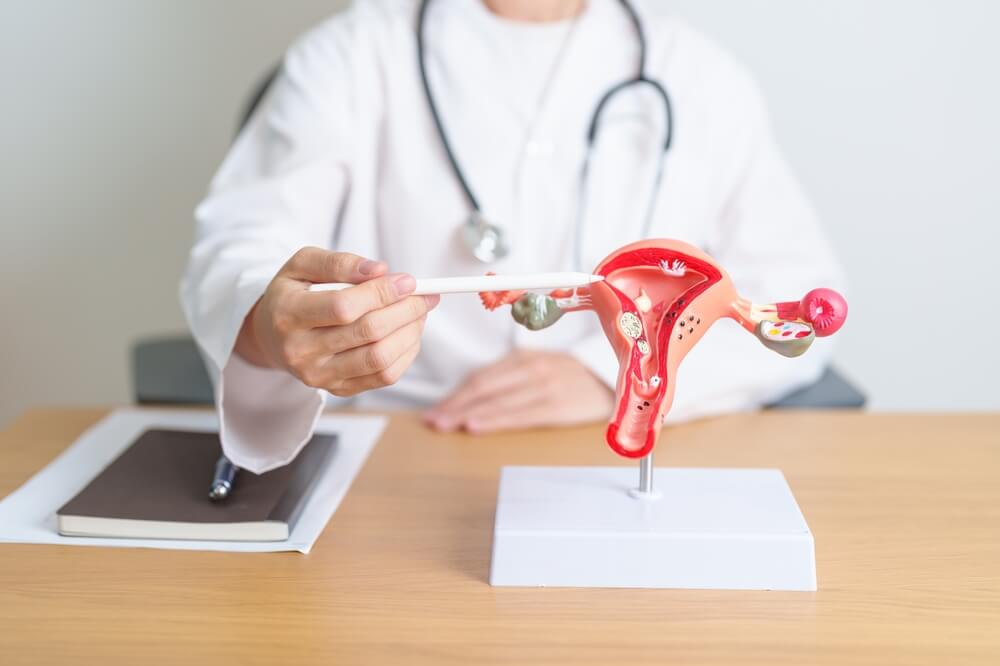
Hearing that you have fibroid tumors can be confusing and even a little frightening – but you’re not alone. These are one of the most common noncancerous tumors affecting women of reproductive age, and for most, they’re completely treatable. Understanding what’s happening inside your body helps replace fear with clarity and opens the door to real relief.
With the right approach, you can manage uterine fibroids safely, avoid invasive surgery, and protect your long-term health. Every woman’s journey looks different—but with compassionate care and the right information, you can make confident choices that bring lasting comfort and peace of mind.
What Are Uterine Fibroid Tumors?
Fibroid tumors—also known as uterine fibroids or uterine leiomyomata—are benign growths made up of connective tissue and smooth muscle cells that form in or around the wall of the uterus. They are considered a common noncancerous tumor that develops when these muscle cells begin multiplying abnormally and forming firm, rubbery masses.
These nodules vary in size from tiny nodules to large fibroids that can distort the shape of the uterus and fallopian tubes. While fibroids tend to grow slowly, they can sometimes increase in size due to hormonal changes or other risk factors that affect fibroid growth.
Symptoms of Fibroid Tumors
Fibroid tumors can affect every woman differently. Some cause no issues at all, while others lead to daily discomfort that disrupts normal routines. Recognizing early signs of fibroid symptoms is essential to managing your health before they progress into more severe symptoms.
Because fibroids grow in different locations within the uterus, they can cause a wide range of effects depending on their size, number, and proximity to the uterine cavity or surrounding organs. Paying attention to your body and tracking any changes in your menstrual cycle or pelvic comfort can help you and your doctor find the best path forward.
Common fibroid symptoms include:
- Heavy menstrual bleeding
- Bleeding between periods
- Abnormal uterine bleeding
- Pelvic pressure or discomfort
- Frequent urination or difficulty emptying the bladder
- Bloating or a feeling of fullness in the lower abdomen
- Cramping or pain during menstruation or intimacy
- Lower back or leg discomfort
- Constipation or fullness from larger fibroids pressing on nearby organs
- Prolonged or irregular menstrual cycle changes
While fibroid tumors are generally benign, they can sometimes lead to complications depending on their size, growth rate, and location within the uterine cavity. Large fibroids or multiple growths may press against the uterus and fallopian tubes, leading to pregnancy complications, infertility, or pressure on the bladder and bowel.
In rare cases, fibroids treated late can contribute to anemia from excessive uterine bleeding or may be mistaken for more serious conditions like uterine cancer. That’s why early evaluation and proper monitoring are essential to prevent worsening fibroid symptoms and maintain long-term reproductive and overall health.
Causes of Fibroid Tumors
The exact cause of fibroid tumors isn’t fully understood, but research points to a combination of hormonal, genetic, and environmental influences. Hormones like estrogen and progesterone, which regulate the menstrual cycle, appear to play a key role in fibroid growth.
These hormones stimulate the smooth muscle cells in the wall of the uterus, sometimes causing them to multiply and form dense clusters of tissue. This is why fibroids tend to grow during a woman’s reproductive years—when hormone levels are higher—and often shrink after menopause when hormone production decreases.
Other risk factors may also contribute to developing fibroids, including:
- Family history
- Reproductive age
- Lifestyle factors that affect hormone balance
- Genetics
- Obesity
- Vitamin D deficiency
- Early onset of menstruation
- High blood pressure
While these factors don’t guarantee that fibroids will form, they can make women with fibroids more susceptible to rapid growth or recurrence, especially without early detection or preventive care. Recognizing these underlying factors empowers you to make healthier lifestyle choices and seek early care if you start experiencing common fibroid symptoms.

Non-Surgical Uterine Fibroid Treatment Options
Hearing that you need treatment for fibroid tumors can feel overwhelming—especially when you’re already coping with pelvic pain or heavy menstrual bleeding. The good news is that relief doesn’t always mean surgery. Today’s minimally invasive procedures are designed to safely shrink fibroids, ease discomfort, and help you return to your normal routine faster, without large incisions or lengthy hospital stays. These alternative treatments focus on preserving the uterus, protecting fertility, and improving quality of life for women with fibroids at every stage.
Uterine Fibroid Embolization (UFE)
Uterine fibroid embolization (UFE) is a minimally invasive procedure that treats uterine fibroids by cutting off their blood supply, causing them to shrink naturally over time. During the procedure, an interventional radiologist inserts a small catheter into the uterine artery and delivers tiny particles that block the flow of blood feeding the fibroid tumors. As circulation decreases, the fibroids gradually shrink, reducing pelvic pressure and abnormal uterine bleeding.
Most patients notice improvement in symptoms within a few weeks. Studies show that UFE has a success rate of nearly 90%, making it one of the most effective and lasting options for women seeking to treat fibroids without major surgery.
MRgFUS (Magnetic Resonance-guided Focused Ultrasound)
Magnetic Resonance-guided Focused Ultrasound (MRgFUS) uses high-intensity sound waves guided by magnetic resonance imaging to heat and destroy targeted fibroid tissue without incisions. While MRgFUS is a potentially exciting future treatment, it has limited applications for larger, or multiple fibroids. MRgFUS is rarely performed and still considered investigational by many insurance providers.
Radiofrequency Ablation (Acessa)
Radiofrequency ablation, also known as Acessa, uses a small laparoscopic probe to deliver targeted heat energy to fibroid tumors, destroying the tissue while leaving the surrounding uterus unharmed. The procedure is performed through tiny incisions, allowing for a short recovery and minimal discomfort. As the treated fibroids shrink, women often experience significant improvement in fibroid-related symptoms such as pelvic pressure, fullness, and heavy bleeding. Accessa treatments have a limited clinical role in the management of uterine fibroids and may not be appropriate for multiple or larger fibroids.
Medications
If your fibroid symptoms are mild or you’re preparing for another treatment plan, certain medications can help control bleeding and hormone fluctuations that fuel fibroid growth. These options don’t eliminate fibroids, but can make symptoms more manageable and improve your comfort while you explore additional therapies.
- GnRH Agonists: Temporarily reduce estrogen and progesterone levels to help shrink fibroids and decrease heavy bleeding.
- Progestin-Releasing Intrauterine Device (IUD): Releases hormones that thin the uterine lining, reducing abnormal bleeding and cramping.
- Nonsteroidal Anti-Inflammatory Drugs (NSAIDs): Used to manage menstrual discomfort and inflammation.
- Tranexamic Acid: A non-hormonal medication that helps control bleeding by improving blood clot stability during menstrual periods.
Together, these medications can help manage symptoms and improve daily life, often serving as the first step toward lasting relief or preparation for a minimally invasive procedure.
Find Relief and Renewed Confidence with VIP Fibroid Center
Living with fibroid tumors can take a toll—physically, emotionally, and mentally. But relief doesn’t have to mean major surgery or a long recovery.
At VIP Fibroid Center, our skilled interventional radiologists use advanced imaging and proven procedures like uterine fibroid embolization to help women overcome fibroid-related symptoms safely and effectively. We take time to understand your goals and create a personalized plan that helps you feel like yourself again—without unnecessary surgery or hospital stays.
Contact us today to schedule your consultation and discover how VIP Fibroid Center can help you find lasting relief, regain balance, and take back control of your health.