

UFE vs. Myomectomy vs. Hysterectomy: A Complete Fibroid Treatment Options Comparison
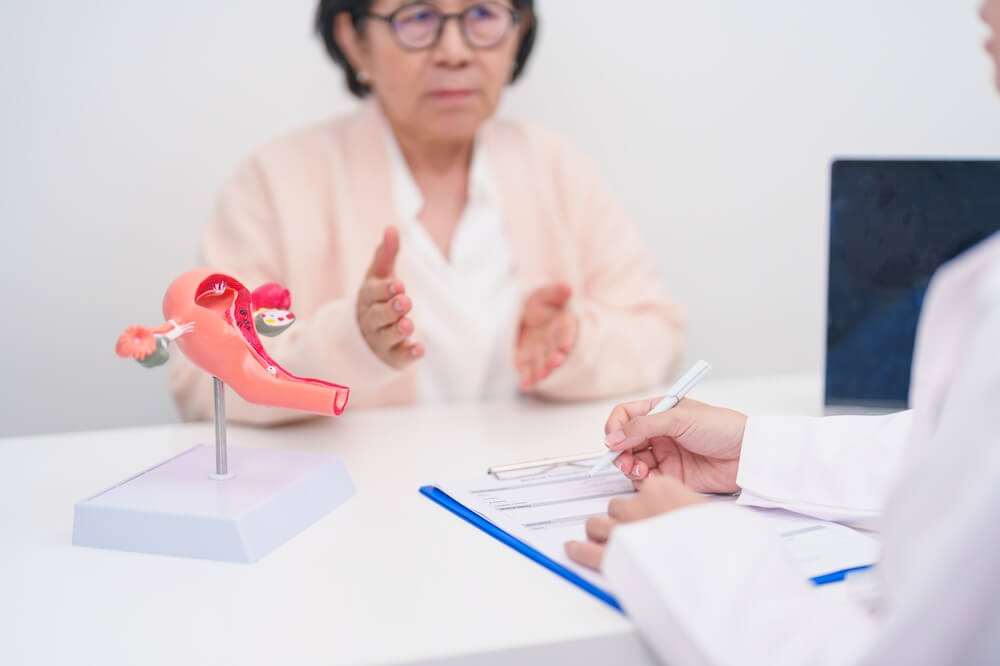
Choosing between fibroid treatment options can feel overwhelming when dealing with ongoing fibroid symptoms like heavy bleeding, pelvic pain, or pressure. It is important to understand and compare three of the most common uterine fibroid treatment approaches so you can understand how each uterine fibroid treatment works, who it is best for, and what to expect. This gives you clear, balanced insight into your treatment options so you can make the decision that fits your life.
Procedures
Uterine Fibroid Embolization (UFE)
Also known as uterine artery embolization (UAE), uterine fibroid embolization is a non surgical procedure performed by an interventional radiologist to treat fibroids. They insert a small catheter through a tiny pinprick in the wrist and use X-ray imaging to guide it through the blood vessels to block the blood supply feeding the fibroids. This reduces blood flow, which helps fibroids shrink and improves symptoms over time.
The entire procedure typically takes only one hour, requires only local anesthesia and medication instead of general anesthesia, and allows most patients to return to their normal routines quickly.
Myomectomy
Myomectomy is a surgical procedure used to remove fibroids while preserving the uterus. It can be done using different techniques, including laparoscopic myomectomy, hysteroscopic myomectomy, or open surgery, depending on fibroid size and location within the uterus. Patients undergo general anesthesia, and the procedure can take several hours. Recovery varies based on the approach, but it is generally longer than minimally invasive options.
Hysterectomy
A hysterectomy involves the surgical removal of the entire uterus, and in some cases, nearby structures. It can be performed through traditional open surgery, laparoscopic techniques, or vaginally. This procedure removes the uterus, which eliminates fibroids. Patients typically require a hospital stay, general anesthesia, and a longer recovery period compared to the other two treatment options.
Pros vs. Cons
Uterine Fibroid Embolization (UFE)
Pros:
- Non surgical procedure
- Very effective for symptoms like heavy bleeding and pelvic pain
- Lower risk profile compared to surgery or other invasive treatments
- Short recovery time
- Preserves the uterus
- Treats multiple fibroids at once
- Can treat large or multiple fibroids
Cons:
- Possible mild post-procedure pain
- Fibroids may return in a small minority of cases
Myomectomy
Pros:
- Removes fibroid tissue directly
- Preserves the uterus
- Effective for submucosal fibroids
- Multiple approaches available (e.g., laparoscopic myomectomy, hysteroscopic myomectomy, abdominal myomectomy)
Cons:
- Requires surgery
- Longer recovery time
- Chance of new fibroid development
- Deep incisions
- Higher chance of complications compared to minimally invasive treatments
Hysterectomy
Pros:
- Definitive treatment
- Ends menstrual bleeding
Cons:
- Major surgery
- Permanent removal of uterus
- Longer recovery time
- Higher complication risk than non surgical treatments
- Potential hormonal changes
- Increased surgical risks
Ideal Candidates

Uterine Fibroid Embolization (UFE)
UFE is ideal for women who seek to treat uterine fibroids without major surgery. It is especially effective for those with multiple fibroids, large fibroids, or those seeking non-surgical fibroid treatments. It also appeals to patients who want to preserve the uterus and short recovery time.
Myomectomy
Myomectomy may be best for women who want to remove fibroids while maintaining the structure of the uterus. It is often recommended for specific cases, such as submucosal fibroids, or when prioritizing preservation of the uterus. However, it is still a form of invasive treatment, so recovery and risks should be considered.
Hysterectomy
Hysterectomy is often used in cases involving very large fibroids, or when other treatment options have not worked. This approach focuses on removing the uterus to address fibroids and development, but has drawbacks of longer recovery times and complication rates.
The Recovery Time and Process
Uterine Fibroid Embolization (UFE)
Recovery from fibroid embolization is relatively quick. Many patients may resume normal activities within one week. Mild pain or cramping may occur as the body responds to treatment, but overall downtime is minimal compared to major surgery.
Myomectomy
Recovery depends on the type of surgery performed. Laparoscopic myomectomy may require a few weeks, while open surgery or abdominal myomectomy can take four to six weeks. A hospital stay is often required, and recovery may involve more discomfort compared to minimally invasive options.
Hysterectomy
Recovery after hysterectomy is the longest of the three. Patients may need several days in the hospital and up to six to eight weeks to resume daily activities. Physical activity is limited during this time, and healing from major incisions can take time.
The Risks and Complications
Uterine Fibroid Embolization (UFE)
UFE carries a lower risk profile because it is a minimally invasive, non surgical procedure. Common side effects include temporary pelvic pain, mild fatigue, or low-grade fever. Serious complications are uncommon, as the procedure does not involve large incisions.
Myomectomy
Myomectomy involves higher risks because it is a surgical procedure. These may include bleeding, infection, and possible damage to the uterine wall. There is also an increased chance of complications compared to minimally invasive options.
Hysterectomy
As a major surgery, hysterectomy has a higher risk compared to minimally invasive treatments. Complications can include blood clots, infection, and damage to surrounding organs. The invasive nature of the procedure increases the likelihood of longer-term complications.
Effectiveness
Uterine Fibroid Embolization (UFE)
UFE is a widely used minimally invasive treatment for uterine fibroids, with studies showing that over 90% of patients experience significant symptom relief. Recurrence rates are relatively low, making it a long-term option for fibroid treatment without invasive surgery.
Myomectomy
Myomectomy may be effective because it directly removes fibroids from the uterine cavity and surrounding areas. However, recurrence is more common, with studies showing that new fibroids can develop in about 25% to 50% of patients within 1-10 years, particularly when multiple fibroids were present initially.
Hysterectomy
Hysterectomy is considered a definitive treatment because it removes the entire uterus, which means it completely eliminates fibroids and prevents recurrence. While there is no risk of fibroid recurrence, it is still a major surgery, and the long-term impact on the body should be carefully considered.
Impact on Fertility and Hormones

Uterine Fibroid Embolization (UFE)
UFE allows many women to preserve the uterus. Some patients go on to have successful future pregnancies, although individual outcomes vary based on individual cases.
Myomectomy
Myomectomy is often recommended for women focused on future pregnancies. By removing fibroids directly, it can improve reproductive outcomes, although scarring may affect some cases.
Hysterectomy
Hysterectomy eliminates the possibility of pregnancy entirely. If the ovaries are removed, hormonal shifts may occur, which can affect overall health and well-being.
Long-Term Effects
Uterine Fibroid Embolization (UFE)
UFE offers lasting symptom relief for most patients, with a low rate of fibroid recurrence. It allows women to manage fibroids without major surgery, maintaining long-term quality of life.
Myomectomy
While effective, myomectomy has a higher chance of new fibroids developing over time. This means some patients may need additional treatment in the future.
Hysterectomy
Hysterectomy is a definitive treatment that permanently eliminates fibroids and related symptoms. However, it comes with long-term physical and hormonal considerations.
Find the Right Fibroid Treatment for You with VIP Fibroid Center
Choosing between uterine fibroid embolization, myomectomy, and hysterectomy comes down to your symptoms, goals, and how you want to approach treatment. At VIP Fibroid Center, we help you understand every option, so you can move forward with clarity, confidence, and a plan that fits your life.
Contact us today to schedule your consultation and explore the right path for your fibroid care.