

Preparing for Your UFE Procedure: What to Do the Week Before, the Day Of, and What to Bring
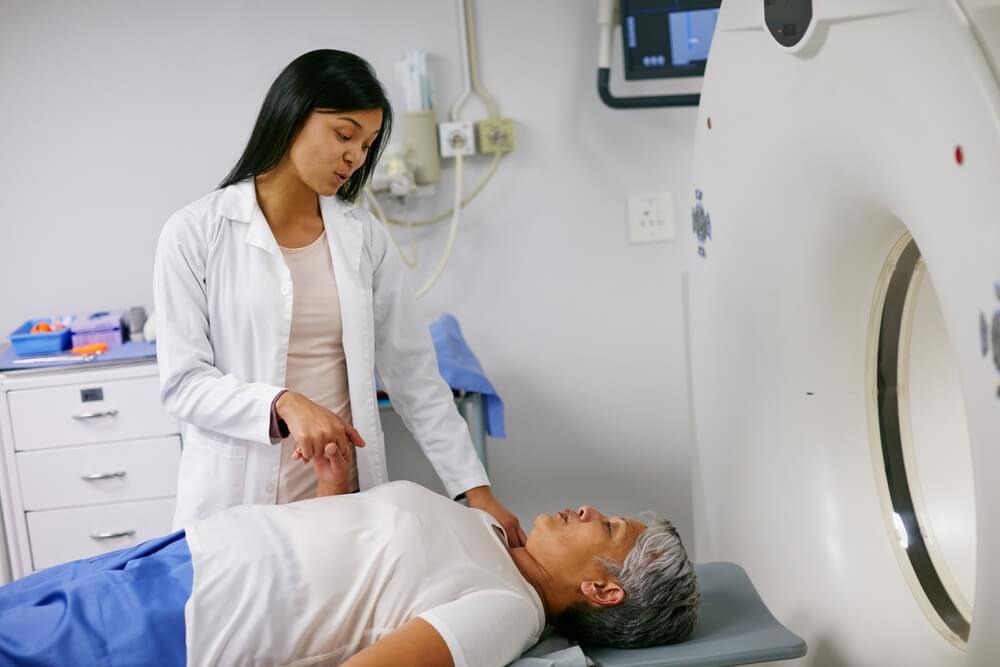
Preparing for uterine fibroid embolization (UFE) does not have to feel overwhelming. When you understand what to expect, preparing for your UFE becomes a simple, manageable process that helps you feel more at ease. It also supports a smooth experience to treat symptomatic uterine fibroids and help improve symptoms like pelvic pain, heavy bleeding, and bloating.
This page walks you through exactly what to do before your UFE procedure with VIP Fibroid Center, so you feel confident, informed, and ready.
What to Do the Week Before Your Procedure
The week leading up to your uterine fibroid embolization is all about preparing your body for a safe and effective UFE procedure. During this time, your doctor and interventional radiologist will focus on confirming details, reviewing your medical history, and preparing your body for treatment.
Complete Imaging and Pre-Procedure Evaluation
Before your UFE procedure, your care team will likely order imaging tests such as an ultrasound or MRI. These help identify the size, number, and location of your uterine fibroids, so your interventional radiologist can map out the uterine arteries and plan how to reduce blood flow to the fibroids.
You may also have a physical exam and review your vital signs to confirm you are ready for the procedure. This step helps create a treatment plan that is precise and tailored to you.
Review Medications and Health History
It is important to inform your doctor of all medications you are taking, including herbal supplements, over-the-counter medications, and prescriptions. You may be asked to stop certain medications, especially blood thinners like aspirin, to reduce the risk of bleeding or complications.
Be sure to mention any allergies, especially to contrast dye, as well as any history of blood clots, recent illness, or if you may be pregnant. This helps your care team plan for appropriate pain management and avoid unnecessary risks.
Support Your Body with Nutrition and Hydration
What you eat before your UFE procedure can support your body’s ability to recover. Focus on balanced meals, and drink plenty of water to stay hydrated and support healthy blood pressure and circulation. Iron-rich foods can help if you have experienced heavy bleeding, and nutrient-dense foods can help your body prepare for healing. At the same time, try to limit processed foods, alcohol, and anything that may increase inflammation or disrupt your blood flow.
What to Do the Day of Your Procedure
The day of your uterine fibroid embolization is designed to be smooth, structured, and supportive. Knowing what to expect can help you feel more at ease as your procedure begins.
Follow Fasting and Medication Instructions
You will likely be instructed to stop eating or drinking after midnight the night before your procedure. In some cases, your doctor may allow small sips of water with certain medications, but always follow your specific instructions. If instructed, you may also take prescribed medicine before arriving.
Arrive Prepared and Comfortable
Wear loose, comfortable clothing and avoid wearing nail polish, contact lenses, or jewelry. When you arrive at the hospital, your care team will check your vital signs, confirm your information, and prepare you for the procedure.
You will meet your interventional radiologist, who will review the plan and answer any final questions so you feel confident before your UFE starts. If you feel nervous, you can try some deep breathing exercises to help you feel more at ease.
Understand What Happens During the Procedure
During the UFE procedure, you will lie on a procedure table and receive local anesthesia at the pinprick sight to keep you relaxed and comfortable. No general anesthesia is required.
The doctor will make a tiny pinprick at the upper thigh or wrist to access the femoral artery or radial artery. They will guide a catheter through the blood vessels using x-ray imaging, which releases small particles to block those that supply blood to the fibroid tumors. This makes the fibroids shrink over time while preserving the uterus.
You will return home the same day and return to normal activities within a week or two.
What to Bring to Your Appointment
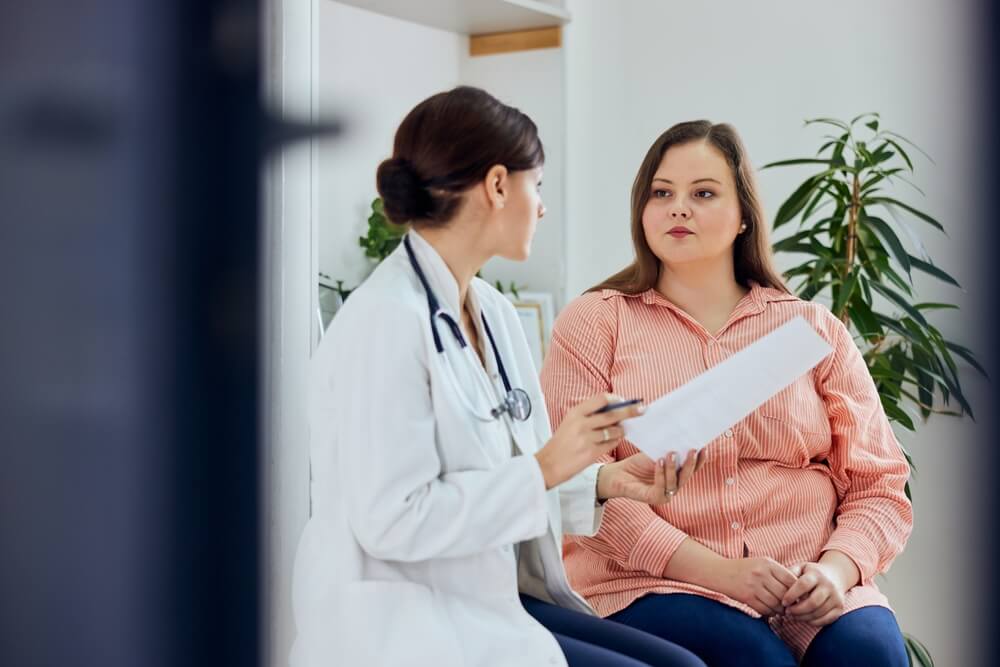
Bringing the right items can make your UFE experience more comfortable and stress-free. A little preparation goes a long way in helping you focus on your care and recovery.
Essentials for Check-In
Bring a valid photo ID, your insurance card, and any paperwork requested by your care team. Having this ready will make your check-in process faster and smoother. If you have already spoken with your insurance company, this can also help avoid delays.
Comfort and Recovery Items
After your uterine fibroid embolization, you will spend time in a recovery room before heading home. Bring comfortable clothing, sanitary pads for any light vaginal bleeding, and items that help you relax. Since you may experience mild pain, cramping, or even a low-grade fever, your care team will provide pain medicine and instructions for pain control.
Plan for Transportation and Support
Because the procedure involves sedation, you will need someone to drive you home after a few hours of monitoring. Most patients do not need to stay overnight, but having support at home can make the first day easier. Planning ahead helps reduce stress and supports a smoother recovery.
Feel Ready, Confident, and Supported for Your UFE at VIP Fibroid Center
Preparing for uterine fibroid embolization allows you to feel confident in your care every step of the way. At VIP Fibroid Center, we guide you through every part of your UFE preparation, from your first consultation to your recovery, with clear communication and advanced care.
Contact us today to schedule your consultation and take the next step toward relief from fibroids with a team that puts your comfort and outcomes first.