

Do Fibroids Go Away With Treatment? UFE, Medication, & More

Many people living with uterine fibroids seek clarity when discussing treatment options. Living with uterine fibroids often brings heavy periods, pressure, bloating, and other symptoms that affect your daily life. Navigating a clear path to treatment can be confusing.
Fibroids go through changes, but they do not all respond the same way. The right treatment for uterine fibroids depends on your symptoms, your goals, and what imaging reveals about your fibroid size, location, and how many fibroids are present.
Getting real answers about fibroid treatment can help you stop guessing, understand your treatment options, and feel more confident about what comes next.
A Quick Breakdown of Uterine Fibroids
Uterine fibroids are noncancerous growths that form in or around the uterus. They develop from muscle tissue and can vary in shape, number, and fibroid size. Some stay small, while others grow larger over time.
These growths form when cells in the uterine wall respond to shifts in hormone levels, especially estrogen. As those levels rise and fall during your life, fibroids can grow, shrink, or stay the same. Many women develop fibroids during their reproductive years, and they often change as the body moves closer to menopause and estrogen levels drop.
Uterine Fibroid Symptoms
Uterine fibroids can be unnoticeable at first, especially if they are small. As they grow or shift within the uterus, they can begin to cause noticeable and often disruptive symptoms. Many women describe these fibroid symptoms as initially subtle or manageable, then increasingly difficult to ignore as they begin to affect daily routines, energy levels, and overall quality of life.
Symptoms may include:
- Heavy menstrual bleeding
- Pelvic pain
- Pelvic pressure or fullness
- Frequent urination
- Abnormal bleeding
- Bloating or abdominal swelling
- Pain during sex
- Lower back discomfort
- Fatigue from blood loss
The potential complications tied to uterine fibroids often vary depending on fibroid size, number, and location. Large fibroids can press on nearby organs, leading to frequent urination or pelvic discomfort. In some cases, fibroids may cause ongoing heavy bleeding resulting in anemia and fatigue.
When fibroids affect the structure of the uterus or block areas near the fallopian tubes, they can affect how the uterus functions. While these complications can sound overwhelming, they vary widely. Many people with small fibroids experience mild or no issues, while others may notice symptoms that call for medical attention.
5 Procedures to Make Fibroids Go Away
When fibroid symptoms start to interfere with your routine, it is natural to consider, do fibroids go away on their own, or do you need help to treat them? The answer depends on your body, your goals, and how your uterine fibroids behave. The good news is that there are several treatment options available today, and many of them are minimally invasive procedures designed to significantly reduce uterine fibroids and improve symptoms.
Choosing the right fibroid treatment is not one-size-fits-all. It often begins with imaging tests to understand how many fibroids you have, where they are located in the uterus, and how they interact with nearby blood vessels. From there, you can explore different treatment options based on your needs and comfort level.
Each option works differently, and understanding those differences can help you feel more in control as you decide how to move forward.
1. Uterine Fibroid Embolization (UFE)
Uterine Fibroid Embolization (UFE), also commonly called uterine artery embolization (UAE), is a well-proven minimally invasive procedure designed to treat uterine fibroids without major surgery. During this treatment, a doctor uses a small catheter inserted through a small pinprick, often in the wrist, and delivers tiny particles through the uterine artery to block the blood supply feeding the fibroid tissue. By blocking the blood supply, the fibroids shrink over time because they are no longer receiving oxygen or nutrients.
This approach works well for many types of fibroids, including large fibroids and multiple growths spread throughout the uterus. Studies show that approximately ninety percent of women report relief from fibroid symptoms after uterine artery embolization, making it a highly effective treatment.
This option is ideal for avoiding surgical intervention or a surgical procedure like fibroid removal. UFE also works well for multiple uterine fibroids, or treating fibroids that do not respond to surgical treatment. Uterine fibroid embolization focuses on improving symptoms like heavy bleeding and pressure, so you can get back to your daily life.
- Treats multiple fibroids at once: Targets the entire blood supply feeding different areas of the uterus, reducing the chance of untreated areas developing new fibroids and symptoms later
- Long-term symptom relief: Helps reduce heavy bleeding, pelvic pain, and other ongoing symptoms without recurrence
- Minimally invasive approach: Uses a small catheter instead of large surgical openings or major surgery
- Faster recovery time: Allows most people to quickly return to normal routines, unlike surgical treatment
- Avoids common surgical inconveniences: Typically requires no general anesthesia and avoids downtime, scarring, and potential complications associated with surgical treatment or surgical removal
2. Magnetic Resonance-Guided Focused Ultrasound (MRgFUS)
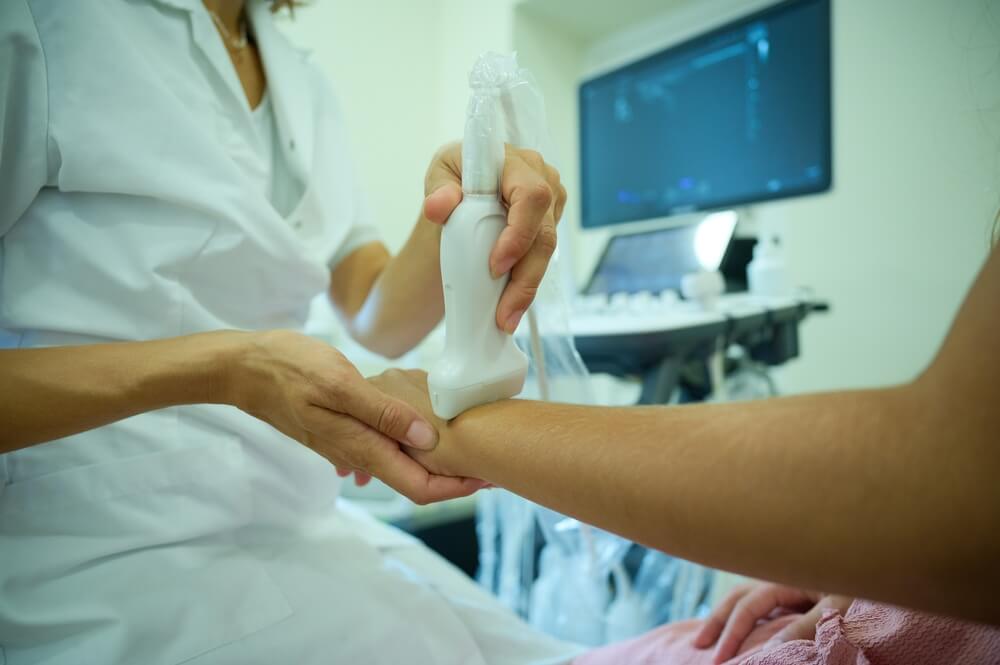
Magnetic Resonance-Guided Focused Ultrasound (MRgFUS) uses magnetic resonance imaging to guide ultrasound energy that destroys uterine fibroids with precision. This minimally invasive approach allows doctors to target fibroids inside the uterus while protecting nearby structures like the fallopian tubes and surrounding blood vessels.
MRgFUS has limited applications for many fibroid types, including larger, or multiple fibroids. MRgFUS is rarely performed and still considered investigational by many insurance providers, which can limit access.
3. Laparoscopic Radiofrequency Ablation (Lap-RFA)
Lap-RFA is a minimally invasive option that uses heat delivered through a probe to destroy fibroid tissue inside the uterus. This treatment helps shrink uterine fibroids and may relieve fibroid symptoms like heavy bleeding and pelvic pain.
However, Lap-RFA is still a surgery, with its attendant risks and recovery. Though this option may be effective for treating individual uterine fibroids, it does not address all fibroids at once, which means untreated growths may continue to cause symptoms or lead to new fibroid development. It may also be less effective for large fibroids or those in hard-to-reach areas.
4. Myomectomy
A myomectomy is an invasive surgical procedure that focuses on fibroid removal while preserving the uterus. It removes visible uterine fibroids, including submucosal fibroids, and can relieve symptoms like heavy menstrual bleeding, pelvic pain, and abnormal bleeding.
Myomectomy does not prevent new growths from forming, so uterine fibroids may return. Depending on the approach, recovery may involve downtime similar to any other major surgery. Myomectomies remain one of the more traditional surgical options compared to newer minimally invasive procedures.
5. Hysterectomy
A hysterectomy is a surgical treatment that removes the uterus, completely removing uterine fibroids and ensuring they cannot return. This option is considered when fibroids cause severe symptoms, such as persistent heavy bleeding, pelvic pain, and complications that do not respond to other treatment options.
While a hysterectomy is a permanent solution, it is also a major surgery requiring a longer recovery. Because hysterectomies remove the uterus, many women explore effective minimally invasive procedures like UFE first, as fibroids tend to shrink naturally during menopause when estrogen levels drop.
Medication for Fibroids
Several medications may be used to help manage uterine fibroid symptoms, especially when trying to manage symptoms and regulate the menstrual cycle. Medication may be ideal for patients with fewer, smaller fibroids not experiencing bulk-related symptoms.
Hormonal therapies, such as birth control pills, patches, or hormonal IUDs, can help control bleeding and improve cycle consistency. Other medications, like gonadotropin-releasing hormone (GnRH) therapies, temporarily lower hormone levels and shrink fibroids. These approaches are typically used for short-term symptom management or as a bridge or preparation before a procedure.
While medication can help improve symptoms, it does not remove fibroids and may not provide long-term relief for everyone. Symptoms can return once treatment is stopped, and some people may continue to experience pressure or bloating. Those seeking a long-lasting treatment option often consider minimally invasive options like UFE to improve symptoms while shrinking fibroids over time.
You Don’t Have to Live With Fibroids. Here’s What You Can Do Next
Thankfully, there are real, effective treatment options for uterine fibroids. The key is finding a treatment plan that aligns with your body, your goals, and the way your fibroids behave. You deserve more than temporary relief. You deserve clarity, support, and a solution that helps you feel in control without living around your symptoms.
At VIP Fibroid Center, we focus on helping you understand your options and guiding you toward minimally invasive procedures that work with your lifestyle, not against it. With advanced techniques like UFE, experienced physicians, and a patient-first approach, we help you treat the root cause so you can move forward with confidence.
Contact us today to schedule your consultation and take the first step toward lasting relief and a better quality of life.