

Fibroid Pelvic Pain: How to Tell If Your Pain Is More Than Just Cramps
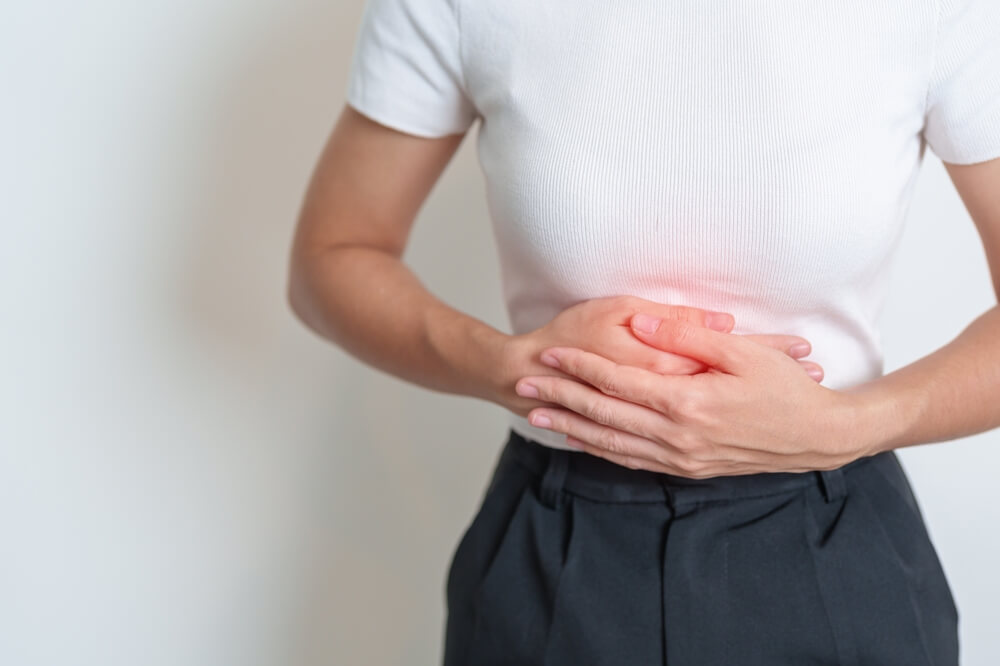
Living with fibroid pelvic pain can feel frustrating, confusing, and exhausting, especially when you keep hearing that your symptoms are “just part of being a woman.” Many women with uterine fibroids spend years dealing with ongoing discomfort before discovering there may be a real medical reason behind their pain.
When cramps become more intense, more frequent, or begin affecting your daily life, your body may be signaling that something more is going on. Learning what fibroid-related pain actually feels like can help you make informed decisions about your health and find minimally invasive treatment options like UFE for true relief.
What Are Uterine Fibroids?
Uterine fibroids are noncancerous growths that develop from the smooth muscular tissue of the uterus. While most uterine fibroids are not dangerous, fibroids can cause serious discomfort and disrupt your daily life. These growths can develop inside the uterine wall (intramural fibroids), beneath the uterine lining extending within the uterine cavity (submucosal fibroids), or along the outer surface of the uterus (subserosal fibroids).
Because fibroids vary in size, number, and location, symptoms can look very different from one woman to another. Some women have small fibroids with mild symptoms, while others develop multiple fibroids or larger fibroids that place pressure on nearby reproductive organs and other surrounding organs.
Symptoms of Fibroid-Related Pelvic Pain
One of the most common symptoms fibroids cause is ongoing pressure, aching, or severe discomfort in the pelvis. Instead of temporary cramping that improves after a day or two, like period cramps, many women with symptomatic uterine fibroids describe a constant heaviness, a deep dull ache, or episodes of sudden sharp pain in the pelvic area. This pain may worsen during your period, after standing for long periods, during sexual intercourse, or even while resting.
Some women describe their discomfort as feeling like something is pressing down inside the pelvis, while others experience pain that radiates through the lower abdomen and lower back. When pelvic pain becomes persistent, disruptive, or noticeably different from your normal cycle symptoms, it may be a sign that fibroids are the underlying cause.
Other Fibroid Symptoms
Other common pelvic-related fibroid symptoms may include:
- Frequent urination
- Bloating in the lower abdomen
- Constipation
- Feeling of fullness in the pelvic area
- Discomfort while sitting or exercising
- Pressure on the bladder or bowel
- Cramping outside of the menstrual cycle
- Unusual discharge
- Heavy menstrual bleeding
When to See a Specialist
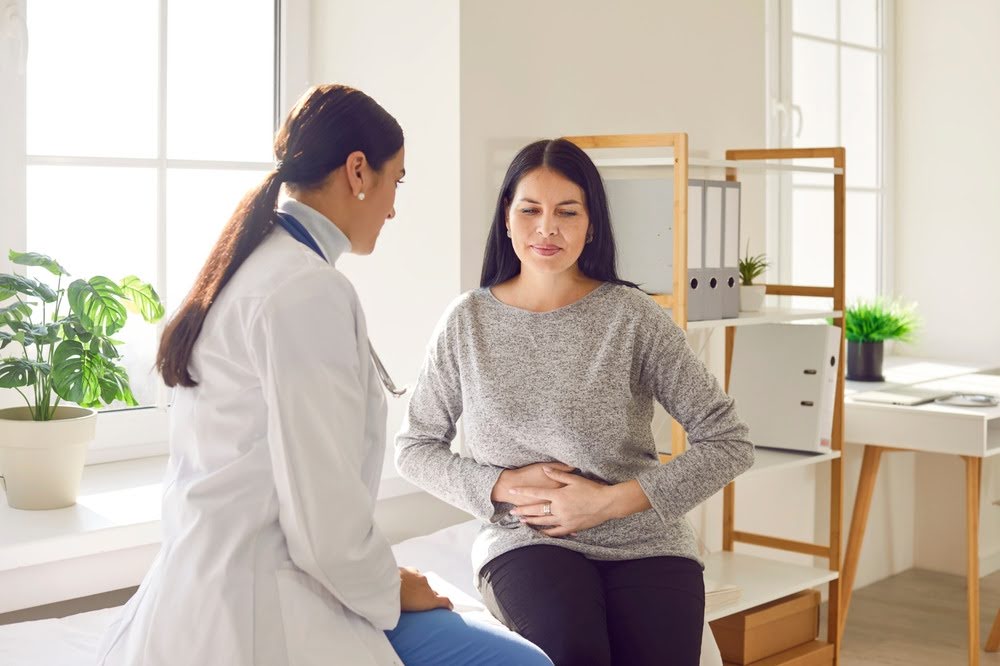
It’s important to see a specialist if you’re experiencing consistent pelvic pain that interferes with your daily routine, sleep, work, or relationships. Persistent pelvic pain that becomes more intense over time, occurs outside your normal menstrual cycle, or happens alongside heavy bleeding, frequent urination, or pressure in the pelvic area is worth evaluating with a specialist.
Other conditions like pelvic inflammatory disease (PID), ovarian cysts, and irritable bowel syndrome (IBS) can also cause pelvic pain. Getting an accurate diagnosis matters.
Our specialists can perform a pelvic exam and use advanced imaging like ultrasound or a CT scan to help detect fibroids or identify another underlying cause of your symptoms. Early evaluation can help prevent worsening discomfort, support your long-term reproductive health, and connect you with the right treatment options before your symptoms become harder to manage.
Relieving Fibroid Pelvic Pain with Uterine Fibroid Embolization (UFE)
You do not always need major surgery to find relief from fibroid-related pain. Today, there are effective minimally invasive treatments available for women struggling with fibroid pelvic pain, pressure, and other disruptive symptoms. One of the most effective and widely recommended options is uterine fibroid embolization (UFE), also called uterine artery embolization (UAE). This minimally invasive, non-surgical treatment is performed by an interventional radiologist.
This minimally invasive procedure works by blocking the blood flow that feeds the fibroids. Because fibroids grow and survive through a steady blood supply, cutting off circulation causes the fibroids to shrink over time. As the fibroids become smaller, pressure on the uterine wall, nearby reproductive organs, and surrounding organs decreases, helping relieve pelvic discomfort, severe pain, and other common fibroid symptoms without the need for invasive surgical intervention.
How It Works
During UFE, the interventional radiologist numbs the treatment area with local anesthesia before making a tiny pinprick, usually near the wrist or groin. A thin catheter is then guided through the blood vessels toward the arteries supplying the fibroids. Using real-time imaging, tiny particles are carefully released to block the fibroids’ blood flow while preserving healthy tissue around the uterus.
Once the blood supply is reduced, the fibroids begin to shrink naturally over the following weeks and months. UFE typically takes 1 hour. Patients return home the same day and resume normal activities within days. As pressure inside the pelvis decreases, many women notice improvement in pelvic pain and other symptoms.
The Benefits of UFE
For many women, UFE offers meaningful relief without the physical and emotional stress of major surgery. Some of the biggest benefits include:
- High success rate: Studies show that over 90% of women treated with uterine fibroid embolization report significant improvement in pelvic pain, heavy bleeding, and other fibroid-related symptoms within months.
- Less pain and easier recovery: Unlike highly invasive surgeries like a hysterectomy, UFE uses a tiny pinprick instead of large abdominal incisions. Most women return home the same day and resume normal activities within days.
- Preserves the uterus: UFE allows the uterus to remain intact, which can be important for women who want to preserve their uterus and avoid hysterectomy.
- Treats multiple fibroids at once: Because the procedure targets the fibroids’ blood flow, it reaches fibroids throughout the uterus in a single treatment.
- Lower risk of complications: Since there are no large incisions and virtually no blood loss, the procedure carries fewer risks and less physical strain compared to many traditional fibroid removal surgeries.
You Can Find Lasting Relief Without Major Surgery
Fibroid-related pelvic pain can affect far more than your menstrual cycle. Over time, the discomfort, pressure, and uncertainty can impact your sleep, work, and daily comfort. You deserve clear answers, experienced care, and treatment options that put your comfort and health first.
At VIP Fibroid Center, you’ll receive expert care from highly trained specialists who focus on treating fibroids through minimally invasive procedures performed in a comfortable outpatient setting. From diagnosis through recovery, the goal is to help you feel informed, supported, and confident in your treatment decisions.
Contact us today to explore whether uterine fibroid embolization is the right next step for your symptoms and your future.