

Fibroid Back Pain: Why Your Lower Back Pain May Be Coming from Your Uterus
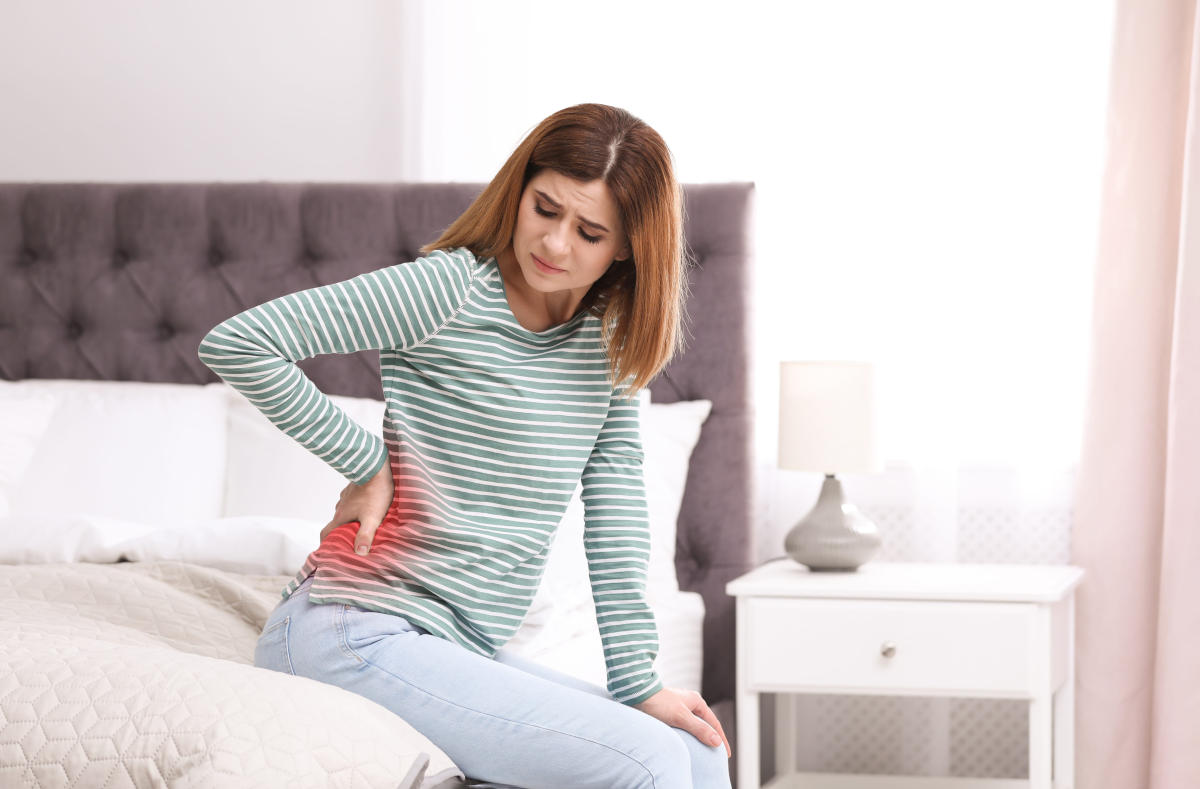
If you’re dealing with ongoing fibroid back pain, it’s easy to assume the problem starts in your muscles, joints, or spine. But for many women, the real cause may be uterine fibroids. Because not all fibroids cause symptoms, and because back pain has many possible causes, many women spend months or even years searching for answers. Understanding the connection between fibroids and back pain could be the key to finding lasting relief and getting back to the life you want to live.
Breaking Down Uterine Fibroids
Uterine fibroids are non-cancerous growths that develop within or around the uterine wall. They affect most women at some point during their reproductive years, although not all women experience symptoms. Experts don’t fully understand why fibroids form, but hormones and genetics appear to play a role.
As fibroids grow, they can change the shape and size of the uterus, place pressure on surrounding structures, and create symptoms that interfere with your daily routine and overall quality of life.
Common Fibroid Symptoms
The location and size of the fibroids often determine which symptoms occur and how severe they become. Common fibroid symptoms may include:
- Heavy menstrual periods
- Prolonged menstrual bleeding
- Painful periods
- Pelvic pain
- Pelvic pressure
- Frequent urination
- Lower back pain
- Hip pain
- Pain during sex
- Abdominal bloating
- Difficulty with bowel movements
- Pressure on the bladder
- Fatigue from blood loss
The Link Between Fibroids and Back Pain
Many people don’t realize that fibroids can cause disruptive back pain. When large fibroids develop along the back of the uterine cavity, they can exert pressure on the muscles, tissues, and nerves located behind the uterus.
In some cases, fibroids can also compress nearby organs and structures within the pelvic area, creating discomfort that radiates into the lower back, hips, buttocks, or even down the legs. This type of fibroid-related back pain can feel similar to sciatica because the irritated nerves may send pain signals beyond the pelvis.
Unlike typical muscle-related back pain, which often improves with rest, stretching, or changes in posture, fibroid-related pain may continue throughout the month and often worsens as fibroids increase in size. The discomfort may occur alongside other fibroid symptoms. Understanding this connection can help you identify the true source of persistent back pain and seek the right fibroid treatment.
Uterine Fibroid Embolization (UFE) for Fibroid-Related Back Pain
Living with chronic back pain can be frustrating, especially when treatments focus on your spine but never address the root cause. If fibroid-related back pain stems from pressure created by uterine fibroids, treating the fibroids themselves may provide meaningful relief. Uterine Fibroid Embolization (UFE) offers a minimally invasive alternative to surgery that targets the source of symptoms to shrink fibroids while preserving the uterus.
How It Works
UFE is a non-surgical procedure that treats fibroids by cutting off their blood supply. During the procedure, an interventional radiologist inserts a thin catheter through a tiny pinprick in the wrist or groin and guides it to the arteries supplying blood to the fibroids. Small particles then enter those arteries and reduce blood flow to the fibroids.
Without the nutrients and oxygen carried through the blood, the fibroids gradually begin to shrink and stop growing. Because the procedure treats the fibroids directly, it can address multiple fibroid types, including intramural fibroids, submucosal fibroids, and subserosal fibroids, which commonly contribute to pressure-related symptoms. Unlike fibroid surgery, the procedure does not require large incisions, removal of the uterus, or a lengthy hospital stay.
How It Helps With Back Pain
As treated fibroids shrink after Uterine Fibroid Embolization, they place less pressure on these sensitive structures. As pressure decreases, many patients experience improvement not only in fibroid back pain, but also in other symptoms that affect daily life. The goal is to ease symptoms, help you return to normal activities, and improve your overall comfort without the longer recovery associated with traditional surgery.
The Benefits of Uterine Fibroid Embolization
If you’re searching for ways to manage fibroid symptoms without major surgery, UFE offers several advantages, including:
- Minimally invasive treatment: The procedure treats fibroids through a tiny catheter rather than large surgical incisions.
- Avoids major surgery: Many women choose UFE instead of fibroid surgery or hysterectomy for long-lasting relief.
- Treats multiple fibroids at once: The procedure can address several fibroids during a single treatment session, along with large fibroids that may press on the spine.
- Short recovery time: Most patients return to many normal activities within days – faster than they would after traditional surgery.
- Relieves pressure-related symptoms: Treatment can reduce the pressure fibroids place on nearby structures and organs, such as the pelvis and abdomen.
- Helps improve back pain: As fibroids shrink, they may stop pressing on surrounding nerves, helping alleviate pain.
- Reduces heavy bleeding: Treatment often improves heavy menstrual periods, heavy bleeding, and prolonged menstrual bleeding.
- Helps bladder function: Relief from pressure may reduce urinary frequency.
- Preserves the uterus: UFE allows treatment of fibroids without removing the uterus, preserving the structure for women who prefer that.
Getting Started with Uterine Fibroid Embolization
If you’re experiencing persistent back pain along with symptoms such as heavy periods, pelvic pain, frequent urination, or abdominal pressure, it’s worth speaking with a fibroid specialist. A healthcare provider will review your symptoms, medical history, and overall health to determine whether fibroids could be contributing to your discomfort.
To confirm a diagnosis, the specialist may perform a pelvic exam and order imaging tests such as an ultrasound, which uses sound waves to create detailed images of the uterus and surrounding structures. These tests can identify the size, location, and type of fibroids and show whether they may be pressing on nerves or other tissues.
Once the cause of your symptoms is clear, your specialist can help you explore fibroid treatment options and recommend a treatment plan that aligns with your health goals.
Get Answers for Fibroid-Related Back Pain at VIP Fibroid Center
Back pain can affect nearly every part of your day, from work and exercise to sleep and time with family. When uterine fibroids press against your spine, treating only the pain may never provide the relief you’re looking for. Understanding the connection between fibroids and chronic back pain can help you identify the true source of your symptoms and take steps toward lasting improvement.
At VIP Fibroid Center, you’ll work with experienced, knowledgeable, and compassionate fibroid specialists who understand how fibroids can affect more than just your menstrual cycle. Using advanced, minimally invasive UFE techniques, the expert team helps women find relief from back pain, pelvic pressure, heavy bleeding, and other symptoms without unnecessary surgery.
You don’t have to keep living with discomfort or wondering what’s causing your pain. Contact us to start your journey with VIP Fibroid Center. Schedule your consultation today to learn whether fibroids may be contributing to your back pain and explore treatment options designed around your needs and goals.