

Fibroid Belly: How to Tell the Difference Between Weight Gain and Fibroids
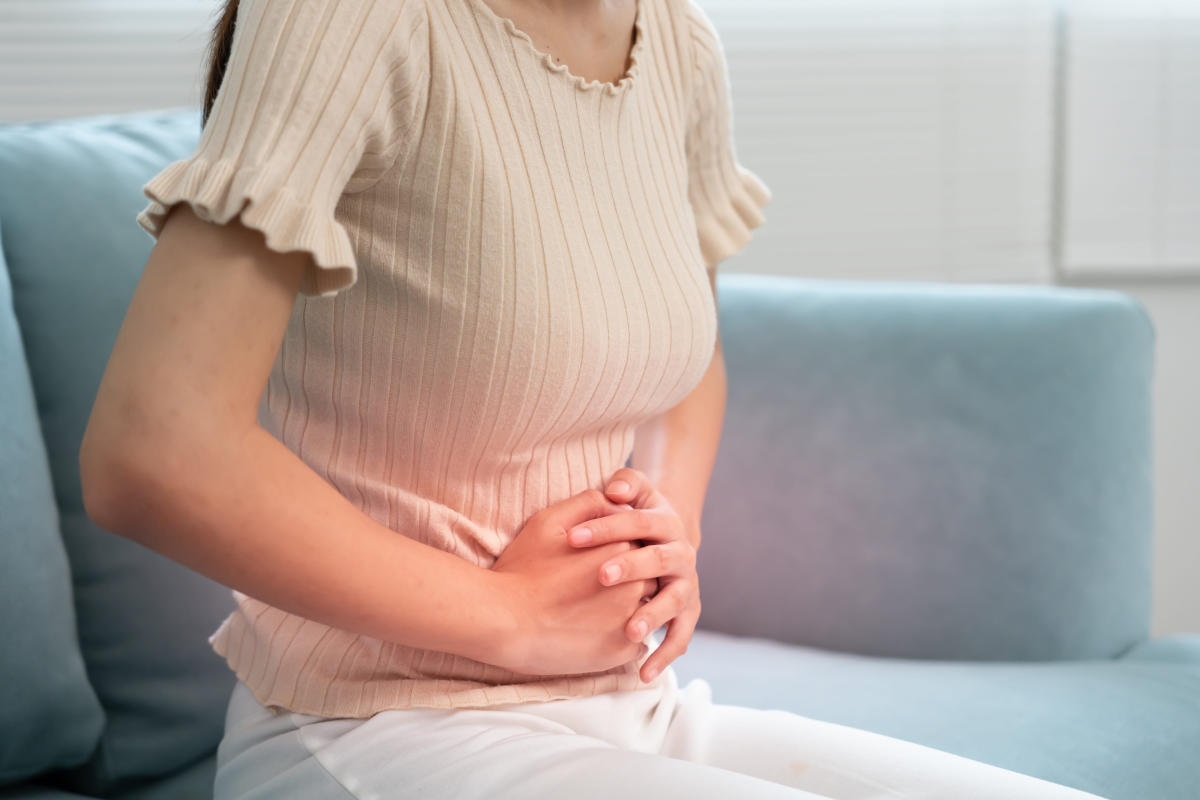
If you’ve noticed a growing belly and can’t figure out why your clothes suddenly feel tighter, you’re not alone. Many women assume changes in their abdomen come from weight gain, especially when the scale doesn’t tell the whole story. Uterine fibroids can create a firm, enlarged lower belly that looks and feels very different from typical body fat.
Understanding what’s causing fibroid belly can help you find answers, take control of your health, and move toward lasting relief instead of continuing to wonder what’s happening to your body.
What Are Uterine Fibroids?
Fibroids, also called leiomyomas, are noncancerous growths that develop in the muscular wall of the uterus. These benign tumors affect many women during their reproductive age and are among the most common concerns in women’s health. While the exact cause remains unknown, researchers believe hormones such as estrogen play a role in how fibroids grow.
Some women develop a single fibroid, while others develop multiple uterine fibroids of different sizes and locations.
Common Fibroid Symptoms
Depending on where they form and how large they become, fibroids tend to create a wide range of physical symptoms that affect comfort, confidence, and daily life. These can include:
- Heavy menstrual bleeding
- Severe bleeding
- Heavy or painful periods
- Pelvic pain
- Frequent urination
- Constipation
- Anemia
- Pressure on the bladder
- Pressure in the pelvic area
- Lower back pain
- Pain during sex
- Abdominal bloating
- Enlarged lower abdomen
The Link Between Fibroids and an Enlarged Belly
Many women expect weight gain to appear throughout the entire body. A fibroid belly, however, often looks and feels different. As fibroid growth continues, multiple fibroids or large uterine fibroids can push outward from the uterus, causing the abdomen to protrude. This enlargement usually develops in the lower belly and may create a firm or heavy feeling rather than the softer appearance often associated with body fat.
The location of the fibroids also matters. Intramural fibroids grow within the uterine wall, submucosal fibroids grow toward the inside of the uterus, and subserosal fibroids grow outward from the uterus. When larger fibroids develop, they can expand the uterus enough to make a woman appear several months pregnant.
Unlike weight gain, a fibroid belly often appears alongside other fibroid symptoms like the ones mentioned above. Even if you’re able to lose and maintain a healthy weight, the enlargement may remain because the issue isn’t excess fat. It’s the physical space that the fibroids occupy within the pelvis and abdomen.
Uterine Fibroid Embolization (UFE) for Fibroid Belly
Living with a growing fibroid belly can affect much more than your appearance. The constant pressure, bloating, discomfort, and changes in how your clothes fit can impact your confidence and quality of life.
If uterine fibroids cause your enlarged abdomen, treatment can help address the source of the problem rather than simply managing the symptoms. Fibroids treatment with Uterine Fibroid Embolization (UFE) offers a non-surgical option for women who want relief without a lengthy recovery.
How It Works
Uterine Fibroid Embolization is a minimally invasive treatment that targets the blood supply feeding the fibroids. During the procedure, a board-certified interventional radiologist inserts a thin catheter through a tiny pinprick in the wrist or groin and guides it to the arteries that supply the fibroids. Small particles then block blood flow to the fibroids while preserving healthy uterine tissue. Without a steady blood supply, the fibroids gradually shrink and stop receiving the nutrients they need to continue growing.
How It Helps with Fibroid Symptoms
Many women seek treatment because they want relief from the symptoms that come with a fibroid belly, not because they’re focused on a specific size reduction. As the fibroids respond to treatment, many women notice less pressure in the pelvis, fewer episodes of frequent urination, less pelvic pain, and improvement in heavy bleeding and painful periods. The abdomen often feels less full, less heavy, and less bloated over time.
Just as important, treating fibroids can help improve everyday comfort. Activities that once felt uncomfortable may become easier. Clothing may fit more comfortably. Many women also experience relief from anemia caused by chronic blood loss and heavy menstrual bleeding.
The goal isn’t simply to remove fibroids. It’s to help you feel better, move more comfortably, and regain control of your daily life.
The Benefits of UFE
If you’re exploring alternatives to fibroid removal surgery, it’s important to understand why many women choose Uterine Fibroid Embolization. This minimally invasive procedure focuses on relieving symptoms, improving comfort, and helping you return to normal activities sooner.
The benefits of UFE include:
- Treats multiple fibroids at once: The procedure can address several fibroids in a single treatment session along with large fibroids, regardless of their location.
- No major surgery required: UFE avoids the large incisions and longer recovery associated with surgical treatment.
- Provides relief from symptoms: Many patients experience significant improvement in heavy or severe menstrual bleeding, pelvic pressure, frequent urination, and bladder discomfort.
- Short outpatient procedure: The procedure typically takes up to a couple of hours, and most patients go home the same day without an overnight hospital stay.
- Faster return to daily activities: Recovery is typically shorter than recovery from many forms of surgery, with many women returning to normal activities within a few days.
- Addresses the source of symptoms: Rather than masking symptoms, the procedure treats the blood vessels that feed the fibroids causing the problem.
- Preserves the uterus: The UFE procedure leaves the uterus intact for future fertility instead of removing it.
How to Get Started with Uterine Fibroid Embolization
If you suspect your enlarged abdomen may be related to uterine fibroids, the first step is scheduling an evaluation with a fibroid specialist. A doctor will review your symptoms, medical history, and any concerns about changes in your belly, menstrual cycle, or overall health.
To confirm the diagnosis, the specialist may perform a pelvic exam and order an imaging test, such as an ultrasound or magnetic resonance imaging scan. These tests can identify the size, number, and location of the fibroids and determine whether they’re contributing to your enlarged abdomen. Once the cause is clear, you’ll receive personalized recommendations for fibroid treatment based on your symptoms, goals, and overall health.
Take the Next Step Toward Feeling Like Yourself Again
If you’ve been struggling with an enlarged abdomen, uncomfortable bloating, or symptoms that don’t seem to improve no matter what you do, it’s important to know that weight gain isn’t always the cause. Uterine fibroids can create very real physical and emotional challenges that affect your comfort, confidence, and quality of life. The good news is that effective minimally invasive treatment options like UFE are available.
At VIP Fibroid Center, you’ll work with experienced, knowledgeable, and compassionate fibroid specialists who focus on helping women find relief without unnecessary surgery. Using advanced Uterine Fibroid Embolization techniques, the team helps patients address the source of their symptoms and return to the activities they enjoy with greater comfort and confidence.
Don’t keep guessing about what’s causing your symptoms. Contact us to start your journey with VIP Fibroid Center. Schedule your consultation today and find out whether fibroids are behind your enlarged belly and what treatment options may be right for you.