

Heavy Bleeding from Fibroids: When It’s More Than a Normal Period

Dealing with heavy bleeding from fibroids can feel exhausting, unpredictable, and hard to manage, especially when it starts to disrupt your daily life. If your menstrual cycle brings heavy menstrual bleeding, large blood clots, or severe pain that feels far from your normal menstrual periods, you’re not alone. Many women with uterine fibroids experience this as a common symptom, yet it’s often dismissed as something you just have to live with.
The truth is, this type of abnormal bleeding isn’t just an inconvenience. It’s your body signaling that something deeper is happening, and understanding why is the first step toward finding the right treatment.
The Relationship Between Fibroids and Heavy Menstrual Bleeding
Uterine fibroids are one of the most common causes of heavy menstrual bleeding, and they can affect how your body regulates blood flow during your menstrual cycle. These noncancerous growths develop within the uterus and can interfere with the way the uterine lining sheds each month. As fibroids grow, they can create changes in the structure of the uterus, leading to excessive bleeding and other physical symptoms that become harder to ignore over time.
What Are Fibroids?
Uterine fibroids are noncancerous growths made of muscle and connective tissue that form in or around the uterus. They develop over time and are influenced by your body’s hormonal environment, particularly estrogen and progesterone.
While not all fibroids cause noticeable issues, some become symptomatic uterine fibroids, meaning they lead to significant symptoms like heavy bleeding, pelvic pain, or pressure. Fibroids tend to vary in size, from small fibroids that go unnoticed to large fibroids that can affect the shape and function of the uterus.
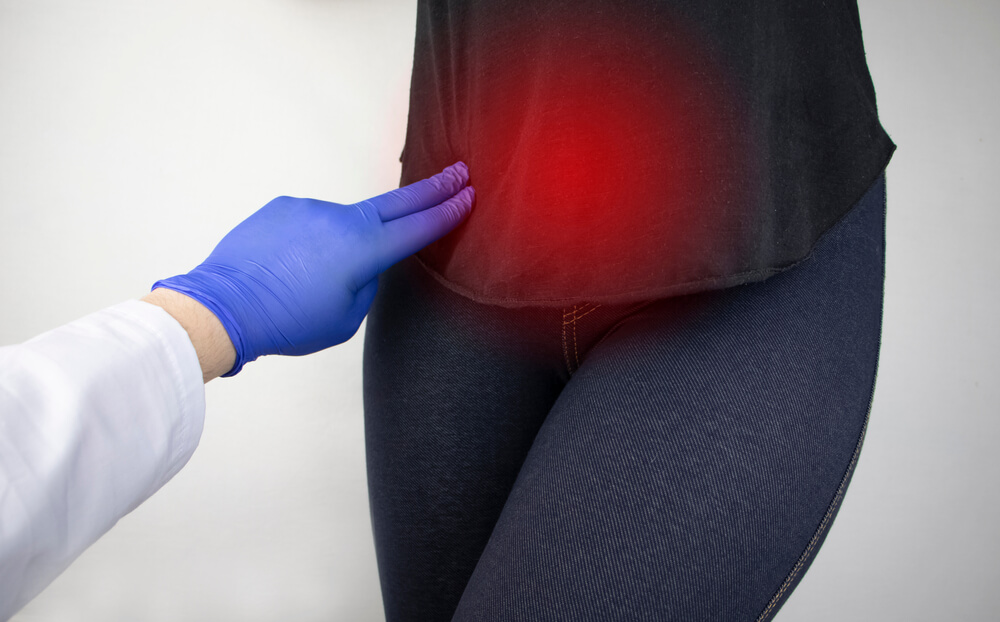
Symptoms of Fibroid-Related Heavy Bleeding
It’s not always easy to tell when your period has crossed the line from typical to something more serious, but there are clear signs to watch for:
- Bleeding that soaks through pads or tampons every hour
- Periods lasting longer than a week
- Large blood clots
- Chronic heavy bleeding that leaves you feeling drained or lightheaded
- Symptoms of iron deficiency anemia, such as fatigue and shortness of breath
When heavy bleeding from fibroids is the cause, it often comes with a pattern: your flow feels excessive, your menstrual cycle becomes harder to manage, and the impact on your daily life grows over time. If this sounds familiar, it’s worth taking a closer look, because uterine fibroids could be behind these ongoing bleeding symptoms.
How Fibroids Cause Heavy Bleeding
Not all fibroids affect bleeding the same way, but certain types are more likely to disrupt your cycle. Submucosal fibroids grow just beneath the uterine lining and push into the uterine cavity, which directly interferes with how the lining builds up and sheds. This can lead to fibroid symptoms like chronic heavy bleeding, large blood clots, and prolonged menstrual bleeding.
Intramural fibroids develop within the muscular wall of the uterus and can also stretch and distort the uterine lining, making it harder for normal uterine contractions to control bleeding. As a result, the blood vessels within the uterus may become enlarged or more fragile. This increases blood loss and contributes to ongoing bleeding symptoms that go beyond what feels normal.
If you notice symptoms of fibroid-related heavy bleeding, it’s important to visit a specialist to get a proper diagnosis and explore your treatment options.
Uterine Fibroid Embolization (UFE) for Heavy Bleeding
If you’re dealing with heavy bleeding from fibroids, it makes sense to want relief without jumping straight into major surgery. Many women are now looking for minimally invasive treatments that can treat the root cause while keeping the uterus intact.
Uterine fibroid embolization (UFE), also known as uterine artery embolization (UAE), is a proven minimally invasive, non-surgical procedure that does exactly that. Instead of removing the entire uterus, this approach targets the blood supply feeding the fibroids. By blocking that flow, the fibroids shrink over time, which helps reduce bleeding, ease pelvic pain, and improve day-to-day comfort. As the fibroids lose their blood supply, the bleeding symptoms that once felt constant begin to fade, giving many patients a real sense of relief.
How UFE Is Performed
UFE is performed by a skilled specialist using advanced imaging to guide the treatment with precision. A thin catheter is placed through a tiny pinprick in the wrist or groin. From there, small particles are delivered to the blood vessels that supply the fibroids. This blocks blood flow and causes them to shrink.
The entire procedure typically takes 1 hour and is performed on an outpatient basis. Patients return home after UFE, with no general anesthesia or extended hospital stay required. For many, this straightforward method makes it easier to move forward with confidence.
Why UFE Is a Powerful Option for Heavy Bleeding
When your symptoms are disrupting your life, finding the right treatment matters. Uterine fibroid embolization offers meaningful benefits that help not only manage symptoms but also restore balance and improve overall wellness:
- Stops the source of bleeding: By targeting the blood supply to fibroids, UFE works at the root, helping to stop bleeding and reduce ongoing blood loss over time.
- Reduces heavy periods: As fibroids shrink, many patients notice a clear improvement in heavy periods and more manageable menstrual bleeding within a few cycles. In fact, 90% of women report significant improvement within weeks.
- Preserves your uterus: Unlike major surgery, this minimally invasive procedure keeps the entire uterus intact, which can be important for your long-term health goals.
- Minimizes downtime: Recovery is typically quicker than surgical procedures, allowing you to return to daily activities within days with less disruption.
- Improves daily life: Relief from excessive bleeding, fatigue from iron deficiency anemia, and constant worry can make a noticeable difference in your energy and quality of life.
- Addresses multiple symptoms: While focused on heavy bleeding fibroids, UFE can also help ease related pressure symptoms and discomfort that often come as fibroids grow over time.
Choosing a treatment option that not only works but fits your life can make all the difference—and for many women, this is where real relief begins.
Take Back Control of Your Cycle and Your Life with VIP Fibroid Center
Living with heavy bleeding from fibroids can wear you down over time. It affects your energy, your routine, and your sense of normalcy. The good news is that effective non-surgical treatment options exist. You don’t have to accept chronic heavy bleeding as part of your life. With the right approach, it’s possible to reduce bleeding, improve your wellness, and feel more like yourself again.
At VIP Fibroid Center, you’ll be cared for by an experienced team that specializes in minimally invasive procedures like uterine fibroid embolization. Every consultation is focused on understanding your unique fibroid symptoms, reviewing your history, and helping you explore the most effective way to treat your condition. The goal is simple: help you alleviate symptoms, protect your health, and move forward with clarity and confidence.
If you’re ready to stop the bleeding and feel like yourself again, request a consultation below to take your first step toward real relief.Heavy bleeding from fibroids isn’t normal. Visit VIP Fibroid Center to learn how UFE can shrink fibroids, reduce symptoms, and improve your life.