

Calcified Fibroids: Why You May Still Feel Symptoms and What It Means
Hearing that you have calcified fibroids can feel confusing, especially if you thought fibroids typically shrink or calm down after menopause. Calcified fibroids are one of the most misunderstood types of uterine fibroids. If you’re still experiencing pelvic pressure, pain, heavy bleeding, or bloating, you’re not alone. Many women are told their fibroid has hardened, only to suffer discomfort or changes in their menstrual cycle.
The truth is that calcification doesn’t always mean a uterine fibroid has stopped affecting your body. Understanding calcified fibroids matters because your symptoms deserve answers. A calcified fibroid may be “old,” but your discomfort is not something you have to simply live with.
Understanding Calcified Fibroids
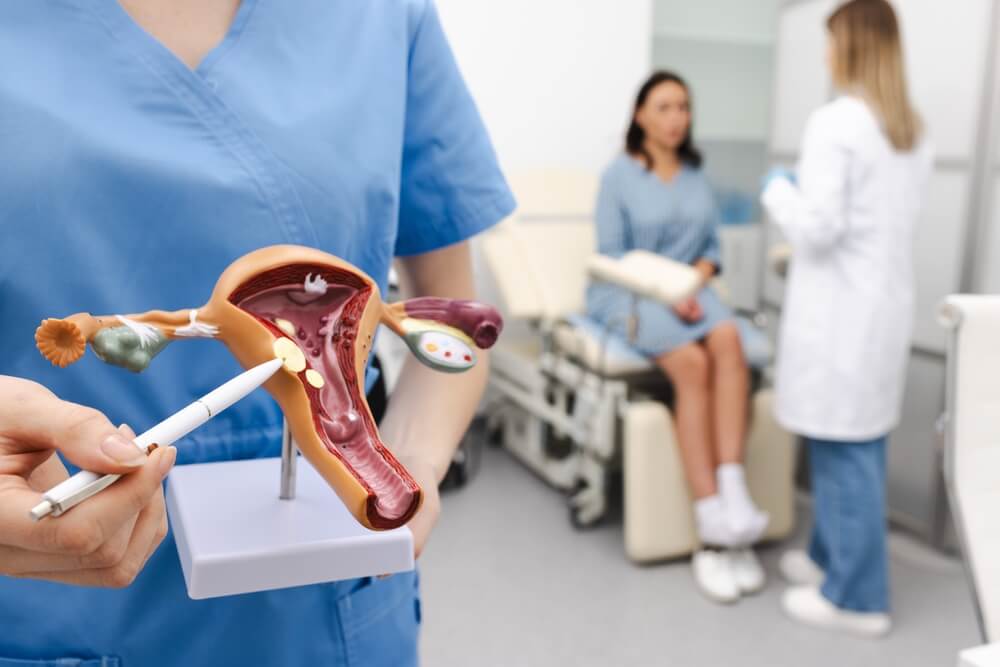
To better understand calcified uterine fibroids, it helps to know what a fibroid is and how it forms. A uterine fibroid is a noncancerous growth that develops within the uterine wall or along the outer surface of the uterus.
These growths often appear during your reproductive years, when hormones like estrogen and progesterone are active. A fibroid starts small, then grows over time as it receives a steady blood supply filled with oxygen, nutrients, and blood through surrounding blood vessels.
How Calcified Fibroids Form
Calcified uterine fibroids develop when a fibroid begins to lose its blood flow. This fibroid calcification usually happens during the natural degeneration process, often as hormone levels drop with menopause or when the fibroid simply outgrows its blood supply.
As the fibroid is deprived of oxygen-rich blood, it starts to break down. This is known as degeneration. When fibroids degenerate, the tissue inside the fibroid turns into dead tissue. The body replaces it with hardened calcium deposits over time, resulting in the firm, sometimes rigid mass known as a calcified fibroid.
Calcified Fibroid Symptoms You May Experience
Even though fibroids calcify as part of their natural life cycle, that doesn’t always mean they stop affecting your body. A calcified uterine fibroid can continue to press on nearby organs, irritate surrounding tissue, and disrupt your uterus function.
Many women feel frustrated when they are told their fibroid is “inactive”, yet they still experience pain, pressure, or changes in their body. If you’re still feeling discomfort, you’re not imagining it. Here are some of the most common symptoms of calcified fibroids and what they may feel like:
- Pelvic pressure: A calcified fibroid can press against the uterine wall and surrounding organs, creating a constant feeling of heaviness or fullness in your lower abdomen.
- Pelvic pain: As the fibroid hardens with calcification, it may irritate nearby nerves, leading to dull aches or sharp discomfort that can come and go.
- Bladder control issues: Pressure on the bladder may make you feel like you need to urinate more often or struggle with urgency.
- Constipation: When a fibroid presses against the bowel, it can slow movement and make bowel movements more difficult or uncomfortable.
- Heavy periods: Even a calcified uterine fibroid can affect the uterine lining, which may lead to extended bleeding or heavier flows during your menstrual cycle.
- Lower back discomfort: A firm fibroid can place strain on surrounding structures, causing aching or tension in your lower back.
- Bloating or abdominal fullness: The size and position of the fibroid can make your abdomen feel swollen or tight, even without weight gain.
In some cases, more serious concerns can develop, especially if fibroids are large or left untreated. These may include worsening pain, increased bleeding, or pressure that affects normal organ function. While these symptoms are not typical, they deserve careful attention.
If you notice persistent or worsening uterine fibroid symptoms, speaking with a fibroid specialist is a helpful next step. A thorough evaluation can clarify what’s happening and whether treatment may bring you relief.
Treating Calcified Fibroids with Uterine Fibroid Embolization (UFE)
You don’t have to live with the discomfort of calcified fibroids forever. Even if a fibroid has gone through calcification, your symptoms still matter, and effective treatment options exist. Many patients feel relieved to learn that treating fibroids does not always mean major surgery like a myomectomy or a hysterectomy. There is a non-surgical option that targets the root cause while helping you avoid long recovery times.
Uterine fibroid embolization (UFE)—also called uterine artery embolization (UAE)—is a minimally invasive procedure designed to reduce fibroid size and improve symptoms. Instead of removing the uterus or cutting into it, this approach focuses on blocking the blood supply that keeps fibroids alive.
Even in cases involving calcified uterine fibroids, there may still be areas with active blood flow. By cutting off that blood flow, the fibroid can continue to shrink, which helps relieve pain, pelvic pressure, and other ongoing concerns.
How It Works
During uterine fibroid embolization, a specialized doctor begins by numbing a small area near your wrist or groin. Then, a thin catheter is inserted through a tiny pinprick into the blood vessels that supply the uterus. Using real-time imaging, the doctor carefully directs the catheter to the uterine arteries that feed the fibroid.
Once in place, tiny particles are released into those arteries. These particles block the blood supply, which stops oxygen-rich blood from reaching the fibroid. Without access to nutrients and circulation, the fibroid begins to degenerate further. Over time, the remaining tissue continues to break down into dead tissue and gradually shrinks.
UFE typically takes 1 hour. Most patients go home the same day and return to light activity soon after. This process removes the extended downtime and discomfort that often comes with traditional surgery.
The Benefits of UFE
One of the biggest advantages of fibroid embolization is that it treats fibroids without removing the uterus. It also avoids large incisions, general anesthesia, and the longer recovery often associated with a hysterectomy. For many patients, this non-surgical approach offers a more comfortable path forward.
It also treats large fibroids and multiple fibroids, with clinical data continuing to support its effectiveness. Studies show that 90% of women report significant improvement in their symptoms after embolization. That includes reduced bleeding, less pain, and relief from pressure-related issues like bladder discomfort or constipation.
Most importantly, this treatment works with your body, not against it. By targeting the fibroid’s blood supply, UFE addresses the underlying cause of your discomfort, helping fibroids shrink over time and allowing your body to heal naturally.
Get Answers, Relief, and a Plan That Works for You
Living with calcified fibroids can feel frustrating, especially when you are told they are no longer “active”. But your body has a way of signaling when something is not quite right. Calcified fibroids can behave differently depending on their size, location, and how they interact with your uterus and surrounding organs. If you are still noticing symptoms of calcified fibroids, it’s time to take a closer look and get relief.
At VIP Fibroid Center, we focus on giving you clarity. Our team combines advanced imaging with a patient-first approach to truly identify calcified fibroids and understand how they are affecting your body. From there, we guide you through personalized, non-surgical treatment options, including UFE, to shrink fibroids and relieve symptoms while preserving your uterus and protecting your health goals.
We’re here to help you feel like yourself again. Contact us today to schedule your consultation and take the first step toward lasting relief.