

Pedunculated Fibroids: Understanding Symptoms and How They’re Treated
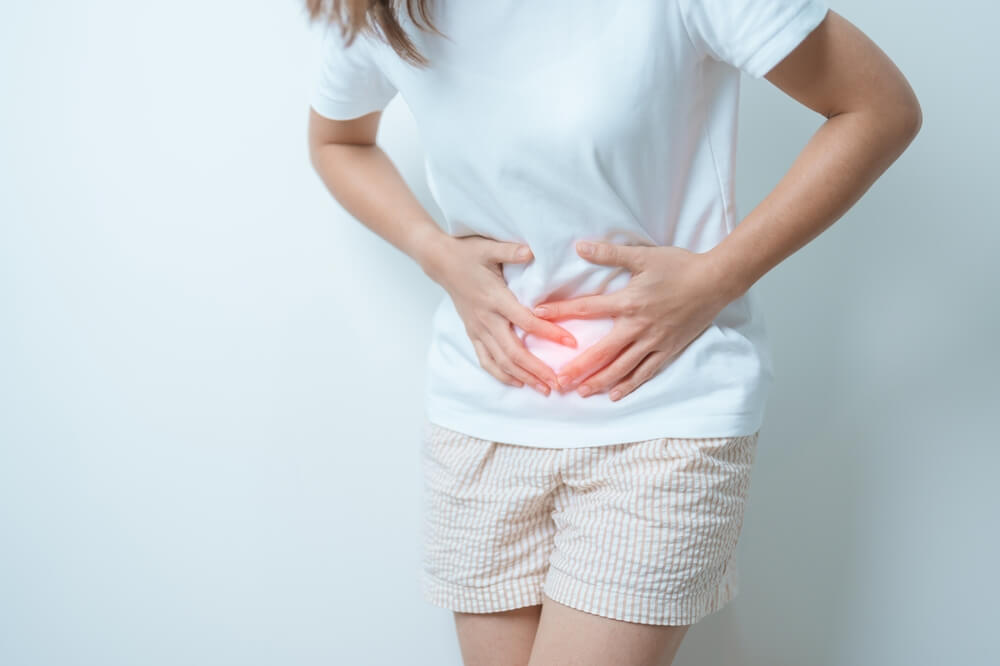
If you’ve been told you have pedunculated fibroids, you might feel confused, especially if you’re dealing with sudden, sharp discomfort that seems to come out of nowhere. Unlike other uterine fibroids, pedunculated fibroids can move and trigger symptoms that feel different from what you may expect. That unpredictability can make it harder to understand what your body is trying to tell you.
When pain feels unpredictable and disruptive, it’s not something to brush off. Your body is signaling that something needs attention. Once you understand what’s happening, you can take real steps toward symptom relief and feel more confident in your next move.
The Anatomy of Pedunculated Fibroids
Pedunculated fibroids are a type of uterine fibroid that grows on a thin stalk rather than being embedded directly within the uterine walls. These non-cancerous growths develop from the same smooth muscle tissue as other fibroid types, but their shape and structure set them apart and cause different symptoms.
Their Appearance
Physically, pedunculated fibroids are typically firm, rounded masses made of dense smooth muscle tissue, similar to other non-cancerous growths in the uterus. Many describe them as having a mushroom-like shape—a small, solid “cap” connected to the uterus by a thin stalk of connective tissue.
Their color can range from pale white to tan or pink, depending on their blood supply and age. They can shift position more easily since they hang off the uterus, especially as fibroids grow. This movement can sometimes affect nearby structures, including neighboring organs, and may play a role in the sharp pains some women experience. Because they rely on that narrow stalk for blood flow, any disruption to that connection can lead to irritation, inflammation, and increased discomfort.
The Two Types of Pedunculated Fibroids
There are two main types of pedunculated fibroids based on where they attach. The first type is called pedunculated subserosal fibroids, which grow on the outer surface of the uterus. These extend outward into the pelvic space and may press against surrounding organs like the bladder or bowel as they enlarge. The second type is the pedunculated submucosal fibroid, which grows just beneath the uterine lining and extends inward into the uterine cavity. While both types share a similar structure, their location plays a major role in the symptoms you may notice.
Symptoms of Pedunculated Fibroids
The symptoms of pedunculated fibroids can feel unpredictable compared to other uterine fibroids. Because these fibroids are attached by a thin stalk, their movement or rotation, a condition known as torsion, can trigger sensations that come and go or suddenly intensify.
Some women experience only mild symptoms, while others deal with more disruptive changes that affect their everyday life. The key to understanding these fibroids is looking at how these fibroids interact with surrounding structures and their own blood supply. This can lead to the following symptoms:
- Pelvic pain: You may feel ongoing or intermittent discomfort in your lower abdomen. This can range from mild pressure to more noticeable, significant pain, depending on the size and location of the fibroid.
- Sharp pains: One of the most distinct signs is sudden, intense pain. This can happen if the fibroid rotates on its stalk, cutting off blood flow and irritating nearby tissue.
- Heavy menstrual bleeding: A pedunculated submucosal fibroid can affect the uterine lining, leading to heavy bleeding or heavy periods that feel harder to manage during your menstrual cycle.
- Irregular menstrual changes: You might notice shifts in your menstrual bleeding, including longer or more unpredictable cycles.
- Pressure on neighboring organs: Larger fibroids can press against neighboring organs, which may lead to bloating, frequent urination, or changes in bowel habits.
- Pain during movement: Because these fibroids can shift, certain movements may cause discomfort, especially if movement interferes with the fibroid’s position.
- Additional signs: You may also experience fatigue from heavy menstrual bleeding, a feeling of fullness in your abdomen, or discomfort that doesn’t clearly tie to your cycle.
If you notice symptoms like sudden sharp pains, worsening symptoms, or changes in your menstrual cycle, it’s important to get evaluated by a specialist. These changes can signal that the flow to the uterine fibroid has been disrupted or that the fibroid has grown or shifted. A proper pelvic exam and fibroid imaging can help identify what’s happening and guide the right next steps. Getting clarity early can help you avoid more serious complications, reduce discomfort, and protect your long-term reproductive and overall health care needs.
Treating Pedunculated Fibroids with Uterine Fibroid Embolization (UFE)

When pedunculated fibroids start affecting your comfort or everyday life, it’s natural to look for effective, low-risk treatment options. Uterine fibroid embolization (UFE), also known as uterine artery embolization (UAE), is a minimally invasive procedure designed to treat uterine fibroids without traditional surgery. Instead of removing the fibroid, this approach targets its blood supply, helping to shrink fibroids and relieve symptoms at the source. It’s widely used to help relieve women from disruptive symptoms while offering fewer complications and a quicker return to normal activities.
How It Works
During the UFE procedure, a specialist inserts a thin catheter through a small pinprick in the wrist or groin and uses imaging to guide it to the arteries supplying the uterus. Tiny particles are then released to block the blood flow to the fibroid and cut off the nutrients it needs to survive. This causes fibroid growth to stop, and it shrinks and softens over time.
This process works for many fibroid types (including pedunculated subserosal and pedunculated submucosal fibroids) because they rely on that same blood supply to grow. Pressure decreases as the fibroids shrink, and symptoms like pelvic pain, heavy bleeding, and discomfort from larger fibroids begin to improve.
What to Expect
UFE recovery is typically smooth and manageable. UFE typically takes 1 hour, and most patients go home the same day and can return to light activities within a few days. You may feel some cramping or fatigue early on, but this improves as your body heals.
Symptom relief often begins within weeks, with continued improvement as the fibroid shrinks over the next few months. Most women notice significant changes in their menstrual bleeding and overall comfort. This allows them to get back to their routines with less disruption and more confidence in their health care decisions.
Take the Next Step Toward Relief and Confidence with VIP Fibroid Center
Living with pedunculated fibroids can feel frustrating, especially when symptoms interrupt your everyday life. When your symptoms feel unpredictable or worsen over time, that’s your body telling you it’s time to get evaluated. The good news is that these non-cancerous growths can be treated safely, and you have options that don’t require traditional surgery.
At VIP Fibroid Center, we focus on helping you feel heard, understood, and supported every step of the way. Our team uses minimally invasive, non-surgical techniques like UFE to target the root cause of your symptoms while preserving your uterus and supporting your long-term health goals. With experienced specialists, a patient-first approach, and a comfortable outpatient setting, you can feel confident in the care you receive.
You don’t have to keep managing symptoms on your own. Request your consultation with us today to take the first step toward lasting relief and a better quality of life.