

UFE vs. Acessa: Exploring Non-Surgical Alternatives for Fibroid Treatment
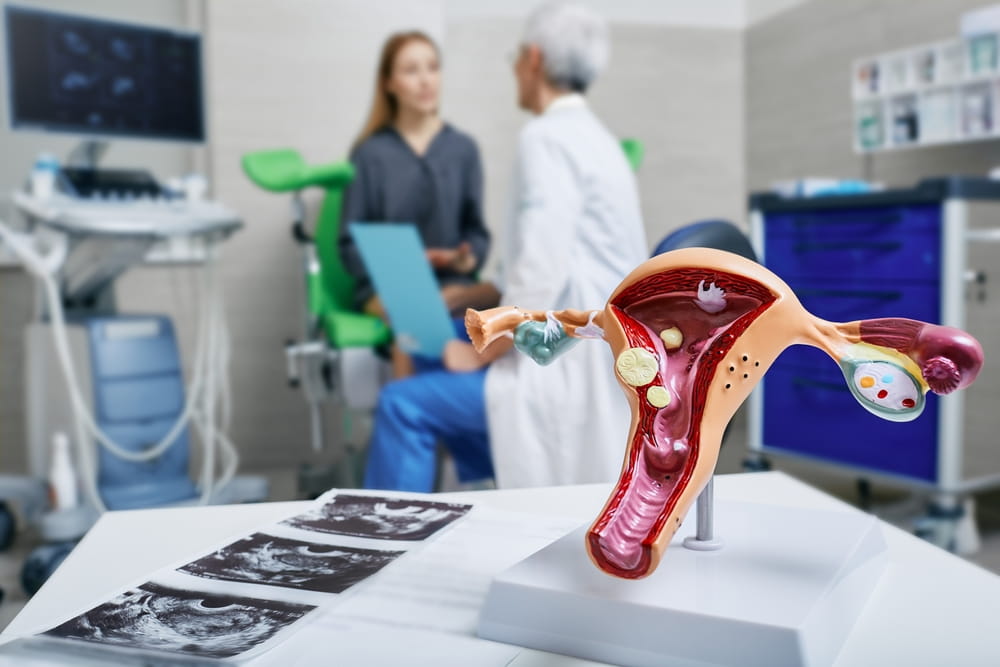
When you’re comparing uterine fibroid embolization (UFE) vs. Acessa, you’re likely looking for a clear answer to one big question: which option can treat your uterine fibroids with the least disruption to your body, your schedule, and your future? That’s a reasonable question, especially if you’re worried about surgery.
Understanding that difference matters because your fibroid size, location, number of fibroids, symptoms, and comfort with surgery can all shape which option makes the most sense for you. Choosing the right fibroid treatment starts with knowing what each procedure can do, what it may not do, and what questions to ask before making a decision.
What Are UFE and Acessa?
Many women begin researching treatment after learning they have fibroids, only to discover there are several options available. UFE and Acessa are two non-surgical options that aim to reduce fibroid symptoms and improve quality of life in different ways.
Uterine Fibroid Embolization (UFE)
Uterine Fibroid Embolization is a minimally invasive and non-surgical procedure that treats uterine fibroids by reducing their blood supply. Without a steady supply of oxygen and nutrients, the fibroid tissue shrinks over time. As the fibroids shrink, many women experience meaningful symptom relief from heavy bleeding, pelvic pain, pressure on the bladder or bowel, and other symptoms.
Acessa
Unlike UFE, Acessa does not address the underlying blood flow that supports fibroid growth. The Acessa procedure is a form of laparoscopic radiofrequency ablation (LRA) that uses radiofrequency energy to heat and destroy fibroid tissue. After treatment, the body gradually absorbs the treated tissue, and the fibroids decrease in size. Because Acessa targets individual fibroids, the physician must identify and treat each fibroid separately.
Comparing UFE vs. Acessa
The way these procedures work, what they treat, and how they fit different patient needs can vary significantly. Looking at the details side by side can help you understand which approach may better align with your symptoms, fibroid characteristics, and long-term goals.
Procedure
UFE
During a UFE procedure, an interventional radiologist inserts a thin catheter through a tiny incision in the wrist or groin and guides it to the arteries that supply blood to the fibroids. Using real-time imaging, the physician releases small particles into the targeted blood vessels, blocking blood flow to the fibroids while preserving the healthy tissue of the uterus.
As the fibroids lose their blood supply, the fibroid tissue gradually breaks down, and the fibroids shrink over time. UFE treats all eligible fibroids during one procedure, including large fibroids, numerous fibroids, and some deeper fibroids that may be difficult to reach with other uterine fibroid treatments. The procedure typically takes about 60-90 minutes and uses local anesthesia with light sedation rather than general anesthesia.
Acessa
Acessa uses radiofrequency energy to target fibroids individually. During this surgical procedure, the physician creates several small incisions in the abdomen and inserts a laparoscopic camera along with specialized instruments. Ultrasound guidance helps identify each fibroid before the physician places a probe directly into it.
The probe delivers radiofrequency energy to heat and destroy fibroid tissue from the inside. This approach can be effective for selected patients, but treatment may become more complex when a patient has a high number of fibroids, very large fibroids, or fibroids located throughout the uterus.
Recovery Time and Process
UFE
One reason many women choose UFE is the relatively short recovery time compared to traditional surgery. Because it is a minimally invasive outpatient procedure, most patients return home the same day and resume light activities within a few days. Many women return to normal routines within one to two weeks.
As the treated fibroids lose their blood supply, the body gradually absorbs the damaged fibroid tissue. During the first several days, some women experience:
- Pelvic pain
- Cramping
- Fatigue
- Mild nausea
These symptoms are temporary and typically improve with medication and rest. Over the following months, fibroids shrink, leading to continued relief from fibroid-related symptoms.
Acessa
The recovery process after the Acessa procedure is generally shorter than recovery from major fibroid surgery. Most patients go home the same day and can return to many normal activities within several days. However, because the procedure requires small incisions in the abdomen, some soreness around the incision sites is common during the initial recovery period.
As the treated fibroids begin to break down, women may experience:
- Temporary cramping
- Abdominal discomfort
- Fatigue
- Mild pelvic soreness
Since Acessa uses radiofrequency ablation to destroy fibroid tissue, the body gradually reabsorbs the treated tissue over time. Symptom improvement often occurs gradually as the fibroids decrease in size. Recovery experiences vary based on the size, location, and number of fibroids treated during the procedure.

UFE
Risks and Complications
Like any medical procedure, UFE carries some potential risks, but serious complications are uncommon. Most women experience the temporary aftereffects mentioned above because the treated fibroid tissue is no longer receiving blood and begins to break down.
There is also a small risk of infection, allergic reaction to contrast dye, or injury to nearby blood vessels. Experienced physicians carefully evaluate each patient with imaging, such as ultrasound or magnetic resonance imaging (MRI), before treatment to minimize risks and improve outcomes.
Acessa
The Acessa procedure is considered less invasive than many traditional fibroid surgeries, but it is still a surgical procedure that involves entering the abdomen through multiple incisions. As with any surgery, there is a risk of infection, bleeding, injury to nearby organs, or complications related to anesthesia.
Because Acessa uses heat-based radiofrequency energy, there is also the potential for unintended injury to surrounding tissue. While studies have reported favorable outcomes, there remains insufficient data regarding some long-term outcomes compared to more established treatments like UFE. Patients should discuss both the benefits and the potential risks with their physician before deciding on a treatment approach.
Ideal Candidates
UFE
UFE is often an excellent fibroid treatment for women who want effective symptom relief without invasive surgery. You may be a good candidate for uterine fibroid embolization if you:
- Have heavy bleeding, pelvic pain, pressure, or other bothersome fibroid symptoms
- Have large fibroids, numerous fibroids, or fibroids located in different areas of the uterus
- Want a minimally invasive treatment with a relatively short recovery time
- Want to avoid a hysterectomy or other major surgery
- Wish to preserve the uterus
- Are looking for a treatment that can address multiple fibroids during one procedure
Because every fibroid case is unique, an interventional radiologist will evaluate the size, location, and number of fibroids before recommending treatment.
Acessa
Acessa may be appropriate for women who have a smaller number of fibroids that can be individually targeted with radiofrequency ablation. Since the procedure treats fibroids one at a time, patient selection is especially important. You may be a good candidate for Acessa if you:
- Have symptomatic fibroids that are accessible through laparoscopic radiofrequency ablation
- Want to avoid a major surgical procedure
- Are comfortable undergoing a procedure that requires abdominal access and general anesthesia
- Have a limited number of fibroids rather than widespread fibroid involvement
However, Acessa may be less practical for women with numerous fibroids, very large fibroids, or certain deeper fibroids located throughout the uterus. In these situations, treatments that address the fibroids’ blood flow, such as UFE, may offer broader treatment coverage.
Find the Right Fibroid Treatment for Your Needs at VIP Fibroid Center
Living with fibroids can feel overwhelming, especially when you’re trying to sort through different treatment options and determine which one is right for you. The good news is that today’s minimally invasive solutions give many women effective alternatives to major surgery. Understanding the differences between UFE and Acessa is an important step toward making a confident decision about your care.
At VIP Fibroid Center, experienced physicians take the time to understand your symptoms, treatment goals, and concerns before recommending a personalized approach. With more than 20 years of experience, advanced imaging technology, and a focus on patient-centered care, the team helps women find lasting relief while avoiding unnecessary surgery whenever possible.
If you’re struggling with fibroid symptoms, you don’t have to navigate your options alone. Request your consultation or contact our staff today to start your journey with VIP Fibroid Center. We can help you understand your treatment options, answer your questions, and determine whether UFE may be the right solution for you.